September 15, 2026 | 04:31 pm

TEMPO.CO, Jakarta - Two satellites designed to enhance the monitoring of extreme weather events linked to climate change have been successfully sent into orbit by the European Space Agency (ESA).
The Vega-C rocket carrying the Sentinel-3C and Flex satellites lifted off from the Kourou space center in French Guiana at 10:21 p.m. Monday (0121 GMT Tuesday), with the two spacecraft entering sun-synchronous orbit within two hours of lift-off.
What will the Flex satellite do?
The Flex (Fluorescence Explorer) satellite aims to provide data on the impact of heat waves on plant matter by monitoring the very faint fluorescence emitted by plants when they carry out photosynthesis.
That fluorescence gives an indication of how efficiently vegetation is converting sunlight and carbon dioxide into energy.
The measurements provided by the satellite will thus "help scientists assess plant health, ecosystem productivity and the effects of environmental stress and climate change," according to ESA.
The €350 million ($403.5 million) mission is planned to last three years.
The satellite will orbit the Earth 14 times a day, revisiting particular locations every 27 days.
What is the role of the Sentinel-3C satellite?
The Sentinel-3C satellite is to collect data from the marine environment, including temperature, wave height and ocean currents.
It will also monitor land use and land cover with the aim of optimizing yields to prevent food crises.
Sentinel-3C is part of Copernicus, the Earth observation component of the EU’s space program.
Simonetta Cheli, the director of Earth Observation Programmes at the ESA, described the missions as "essential" in helping with the "climate change we are experiencing."
US Scraps Greenhouse Gas Rules for Power Plants
4 jam lalu
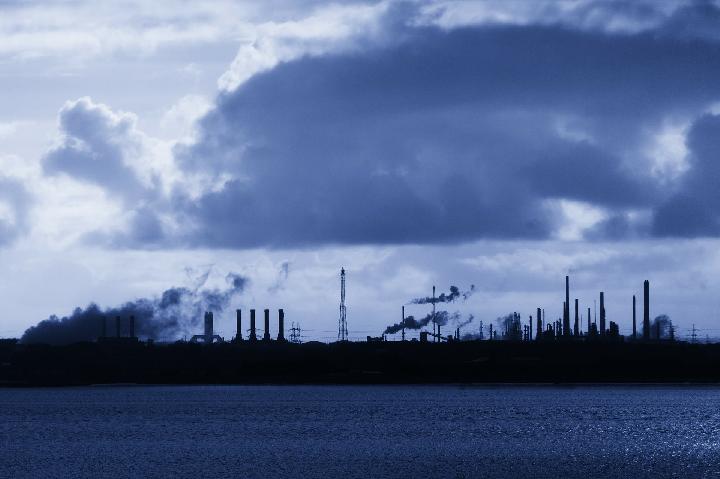
The Environmental Protection Agency said it was repealing Biden-era limits on emissions made by power plants.
Prabowo: BRICS Countries Should Turn Vulnerabilities Into Strengths
1 hari lalu

Prabowo highlighted BRICS' vast critical minerals, energy resources and technological capacity as foundations for green economic growth.
Corals as Climate Archive: Are El Ninos Intensifying?
2 hari lalu
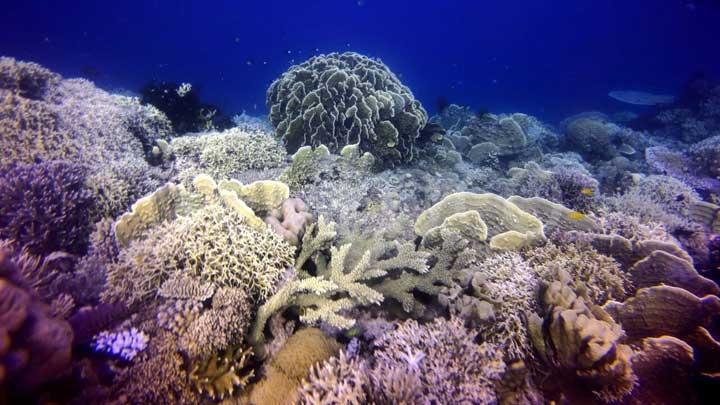
El Nino events have been frequent and often extreme over the past few decades. Is this normal or climate change? Coral records provide clear answers.
How Climate Change and Food Insecurity Could Fuel Conflicts
8 hari lalu

Climate change, conflict, and trade tensions are putting pressure on the global food system.
Nepal Flood Disaster Puts Climate Justice Under Spotlight
10 hari lalu

The devastating Himalayan glacial floods have raised broader questions about who should bear the costs and responsibility for climate disasters.
UN Warns of Higher Disaster Risk as Global Temperatures Exceed 1.5C
13 hari lalu

UNEP says global temperatures could exceed 1.5C above pre-industrial levels within years, raising disaster and health risks.
As Glaciers Melt, Can Communities Be Protected?
13 hari lalu

Rising temperatures are increasing the risk of floods and avalanches in mountain regions.
Nepal Flood: Death Toll Tops 1,000 as Rescue Continues
13 hari lalu
Nepalese authorities say 4,000 people remain unaccounted for as rescue teams and search dogs scour mud, rocks, and debris.
What 'The Odyssey' Can Teach Us About Climate Chaos
17 hari lalu

The Bronze Age collapse may have started with a water crisis. Today's droughts raise the unsettling question of whether it could happen again.
Was the Heat of This Summer Really 'Normal'?
18 hari lalu

Some political messaging denies the role of human-caused climate change in this summer's extreme heat. The science tells a different story.