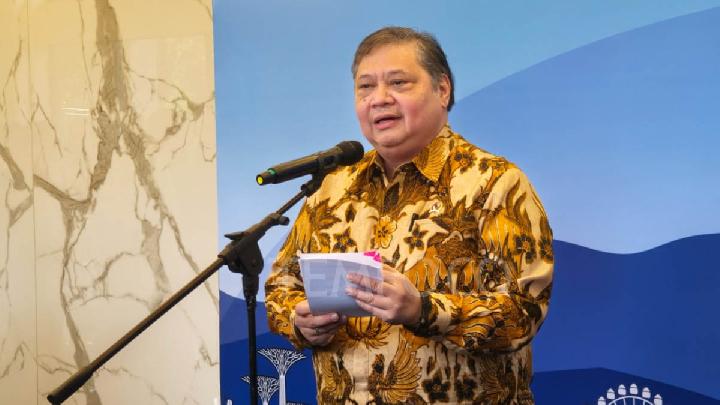
TEMPO.CO, Jakarta - Indonesian Cultural Minister Fadli Zon believes that tea, which is one of Chinese cultures, can become a bridge to strengthen relations between communities, including Indonesia. "Tea, which is simple yet meaningful, can serve as a bridge between civilizations. Culture has the power to build peace, strengthen international cooperation, and create a space for respectful dialogue," said Fadli Zon as quoted by Antara.
He considers that tea, originating from China, has also evolved into a universal cultural language that transcends national borders, generations, and societal backgrounds.
He expressed this view during the celebration of International Tea Day on May 21, themed 'Tea for Harmony, Shared Beauty,' organized by the Embassy of the People's Republic of China. This theme also serves as a reminder that diversity should be seen as a strength in enhancing human solidarity.
 Illustration of a tea party. Shutterstock.com
Fadli also appreciated China's success in registering the Traditional Chinese Tea Processing Techniques and Associated Social Practices on the UNESCO Representative List of the Intangible Cultural Heritage of Humanity in 2022, as a commitment to preserving living cultural heritage.
He also noted that Indonesia also has a rich tea tradition, a part of the archipelago's long history as one of the world's important tea-producing regions. According to him, Indonesia's tea culture continues to evolve, from traditional practices in various regions to the tea-drinking culture, which is now becoming closer to the younger generation.
The cultural relation between Indonesia and China has existed for centuries through trade routes, migration, and cultural exchanges that have had a significant influence on the development of art and traditions in Indonesia, as seen in the coastal batik motifs, the development of shadow puppetry, and the artistic similarities between Peking Opera and traditional Indonesian performances.
Furthermore, Indonesian jamu culture is also considered to have common ground with the tea tradition and traditional Chinese medicine as both are rooted in herbal knowledge, preventive health, and community-based practices.
The Ambassador of the People's Republic of China to Indonesia, Wang Lutong, stated that tea has long served as a medium of civilization and conveyed messages of cross-national peace. According to him, tea culture embodies the philosophy of balance between humans and nature, while also reflecting the values of inclusivity and international togetherness. "In a tea ceremony, everyone enjoys the same tea served with full respect. Tea teaches harmony, sharing benefits, and strengthening international connections," said Wang Lutong.
Tea has long been a part of Indonesian society. The National Socio-Economic Survey (SUSENAS) BPS 2023 - 2024 data also shows that tea is the second most consumed beverage by Indonesian society, after water. The habit of consuming tea is also reflected in the Roy Morgan research (Single Source - Indonesia), which indicates that tea is one of the routine needs in Indonesian households and is available in 95 percent to 97 percent of family kitchens.
The Best Tea Quality Is Determined by Its Source
Not all teas are processed in the same way. In the world of tea, quality is not only determined during the processing stage, but has already been formed from the time the young tea leaves are still in the plantations. Factors such as the natural environment, plant maintenance activities, plucking methods, and post-harvest handling are crucial in determining the final character of the resulting tea.
According to the UN organization responsible for food and agriculture (FAO), factors such as highland altitude, air temperature, rainfall, and humidity influence the growth of tea plants and the flavor profiles produced. Plantations in highland areas with cooler temperatures generally produce tea leaves with slower growth, resulting in a distinctive aroma and fragrance. "In the tea industry, slower growth is considered ideal because it gives the plants more time to develop natural compounds such as polyphenols, amino acids, and essential oils. These compounds play a role in creating a rich aroma, deeper flavor layers, and a smooth brewing character," said Devyana Tarigan, Head of Marketing Communications & Public Relations at PT Sinar Sosro Gunung Slamat.
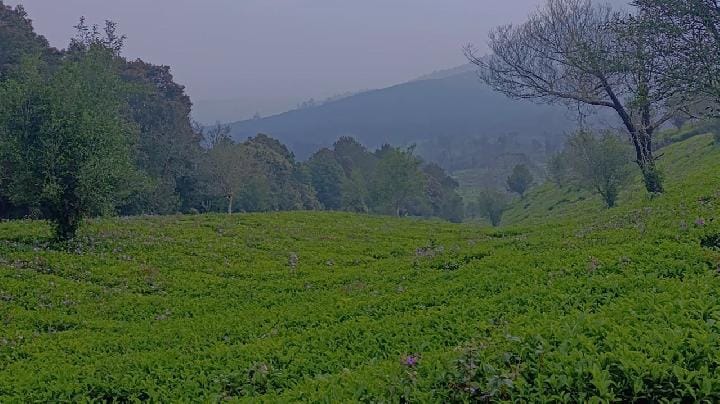 Sukawana Tea Plantation in West Bandung Regency. Jundi Adabi for Tempo
Mist in mountainous areas also helps filter direct sunlight exposure, allowing plants to thrive optimally without producing excessively sharp sensations when consumed.
Devyana mentioned that her team works to ensure consistent standards of tea raw materials, starting from the plantations. The selection of tea gardens in several highland regions of West Java, from Cukul in Pangalengan, Neglasari in Garut, Gunung Satria and Sambawa in Tasikmalaya, to Gunung Manik, Gunung Rosa Djaya, and Gunung Cempaka in Cianjur is done because these areas have cool temperatures and humidity that support the growth of high-quality young tea leaves. "Producing tea with a consistent flavor also requires precision in determining which young tea leaves to pick, when the best time to pick is, and how the young tea leaves are treated after picking to meet the suitable processing standards," said Devyana.
The young tea leaves are the most meticulously guarded part because they possess the best content and flavor characteristics. Devyana explained that the process of selecting raw tea materials is carried out by skilled labor manually and by using environmentally friendly battery-powered picking machines, while still maintaining the quality of the suitable young tea leaves and ensuring the tea plants' health for consistently high productivity.
After being picked, the young tea leaves cannot be left for too long before processing. Temperature and air exposure can alter the aroma profile and freshness of the young tea leaves, making the speed of handling an important part in maintaining quality. Therefore, the process from the plantation to processing needs to operate in an interconnected system to ensure that the quality of the young tea leaves is maintained from the beginning. "Genuine tea quality never arises from rushed processes," she said.
Read: Tea or Coffee: Which is Healthier to Start the Day with?
Click here to get the latest news updates from Tempo on Google News