TEMPO.CO, Jakarta – The United States (US) on Wednesday decided not to renew the US-Mexico-Canada Agreement (USMCA), in its current form, US trade Representative Jamieson Greer said in a statement
"The United States will continue to engage with Mexico and Canada to address the agreement's shortcomings and our trade deficits with these countries," Greer said.
Although it wasn't extended by the Wednesday deadline, the deal remains in force for another 10 years and will now be reviewed annually, which sets up the possibility of protracted and complicated negotiations over everything from tariffs to trade rules governing specific sectors.
The on-again, off-again negotiations are likely to cause more uncertainty for US automakers and farmers who depend on stable and interconnected supply chains underpinned by the deal.
Trump sours on his own deal
The decision from the administration of US President Donald Trump was widely expected, as Trump seeks to restructure the playing field with the US' top two trading partners.
During his first term, Trump negotiated and heavily praised the USMCA as a superior alternative to the "disastrous" North American Free Trade Agreement (NAFTA), which he said had offshored US jobs, among other problems.
When signing the USMCA into law in January 2020, Trump called it the "largest, fairest, most balanced, and modern trade agreement ever achieved," and promised it would provide "jobs, wealth, and growth."
Just six years later, Trump said in June he was "not looking to renew" the deal, and has even threatened to pull out of it altogether, which is considered an unlikely outcome.
What is the USMCA?
Largely based on the framework of NAFTA, the USMCA restructured supply chains by enforcing stricter rules of origin, for example, requiring 75% of automotive components to be made within North America to qualify for zero tariffs. The deal also gave US farmers better access to markets in Mexico and Canada, along with provisions for the protection of intellectual property and trade in the digital sector.
This regulatory stability drove a surge in trade within North America, and positioned Mexico and Canada ahead of China as the US' top trading partners. The integrated supply chains, and increased trade in goods and services within North America amounted to nearly $2 trillion in 2024.
However, now in his second term, Trump has grown less sanguine about the deal, calling it "irrelevant" and criticizing loopholes that allegedly allow countries like China to benefit from zero tariffs.
The US has said it wants to onshore more auto production and resolve disputes like Canada's protection of its dairy industry. Critics say this could drive up the cost of cars.
Trump has also singled out Canada and Mexico for heavy tariffs, even if he made critical exemptions for goods covered by the USMCA.
What happens now?
Greer said the three countries plan to hold a third round of talks on July 20 in Mexico City. A senior Trump administration official told Reuters news agency that the talks in Mexico City are likely to center on bolstering North American rules of origin for cars and other industrial goods.
"There isn't any difference I can see that is too substantial for us to not resolve it," Mexican Secretary of Economy Marcelo Ebrard said in a press conference.
"We're in no rush, but we also don't want any uncertainty, which is why we need to try to reach an agreement on many issues we've been working on for months — issues that could change one day to the next," said Ebrard, who participated in a virtual meeting on Wednesday with Greer and Dominic LeBlanc, the Canadian minister responsible for US-Canada trade.
Canadian Prime Minister Mark Carney said on Wednesday ahead of the virtual meeting that he did not anticipate any type of agreement to be reached. "I'm not looking for my pen," he said, later adding that his priority is to update the deal.
Read: US Envoys Arrive in Qatar With State of Iran Talks Unclear
Click here to get the latest news updates from Tempo on Google News
Japan's Yen Hits 40-Year Low Against US Dollar
7 menit lalu

The Japanese yen has fallen to its weakest level against the US dollar in nearly 40 years.
NASA Plans 4 New Moon Missions With 3 Private Companies
1 jam lalu

Three companies will send scientific payloads to the lunar surface to support NASA's first permanent base development.
Fact Check: Will US and Japan Underwater Volcanoes Erupt Together?
21 jam lalu

Fact check - No scientific data or official warnings from either country. The only photos circulating are old images of Mount Anak Krakatau.
US Envoys Arrive in Qatar With State of Iran Talks Unclear
1 hari lalu
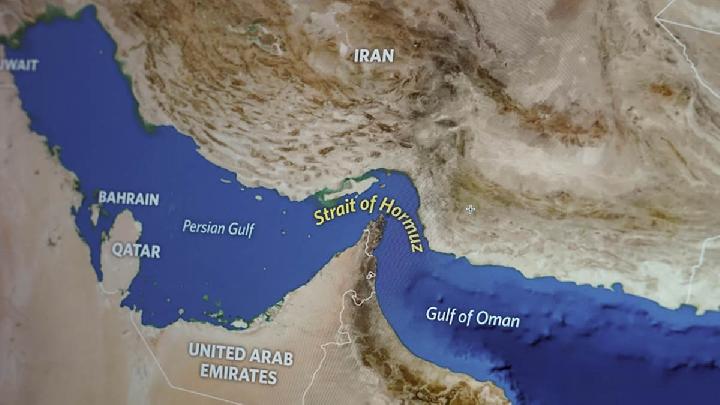
Senior US envoys arrived in Qatar on Monday for consultations with regional mediators as uncertainty continues to surround the next phase.
Israel Peace Deal Greeted with Skepticism, Fear in Lebanon
1 hari lalu

Despite it being heralded as the beginning of peace between Israel and Lebanon, the framework has been greeted with much skepticism.
US Top Court Backs Birthright Citizenship in Rebuke to Trump
1 hari lalu
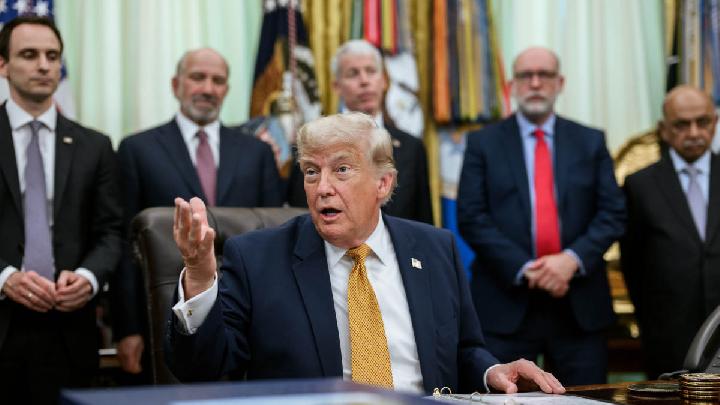
US President Donald Trump had issued an executive order that would have changed constitutional guarantees that people born on US soil are citizens.
Marco Rubio Meets Libyan Commander as US Pushes Libya Unity
1 hari lalu

US Secretary of State Marco Rubio met Libyan National Army (LNA) Deputy Commander Saddam Haftar on Monday as Washington intensified diplomatic efforts
Iran, US Clash Over Reports of New Doha Peace Talks
2 hari lalu
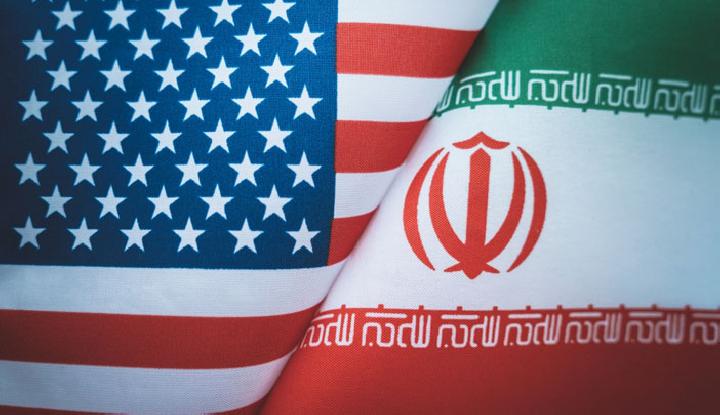
The United States (US) and Iran gave conflicting reports on Monday, June 29, over whether fresh negotiations would take place in Doha.
US Supreme Court Vastly Expands Trump's Presidential Power
2 hari lalu
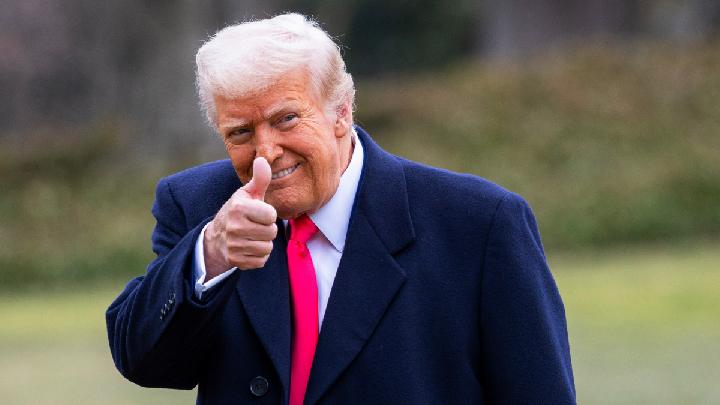
US Supreme Court dramatically expanded presidential power when it ruled to uphold Trump's firings of the heads of independent federal agencies.
Trump Pushes New Election Rules Despite Court Setbacks
2 hari lalu
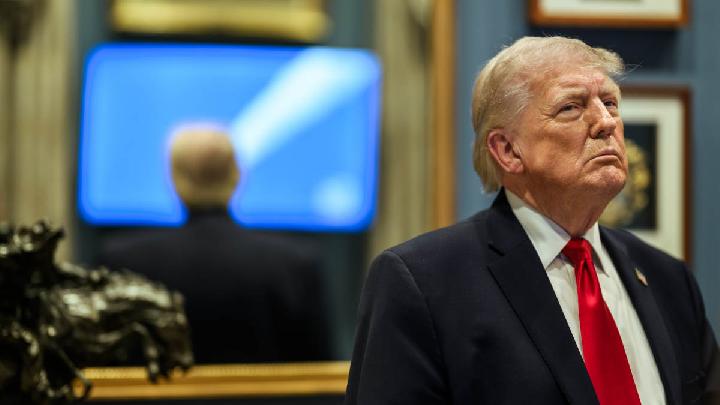
US President Donald Trump is intensifying efforts to reshape election rules ahead of the 2026 US midterm elections, despite court setbacks.