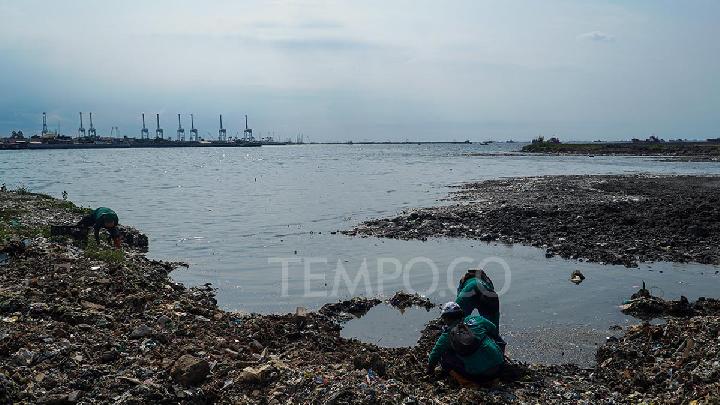
TEMPO.CO, Jakarta - Microplastic pollution in the ocean poses an even greater threat to fish during spawning season. A recent study reveals that the reproductive period leaves fish more vulnerable to microplastics and various other pollutants capable of disrupting entire populations.
Led by researchers from Nankai University and the Fujian Ocean Innovation Center, the study found that fish spawning seasons often overlap with heavily polluted marine areas. This condition magnifies the impact of pollution compared to assessments based solely on annual average contamination levels.
"The scientists examined how microplastics, spawning timing, chemical pollutants, warming water, and low oxygen all combine to hit marine fish populations worldwide," Earth reported on July 21, 2026.
To conduct the study, the research team compiled 6,327 seawater microplastic measurements, 3,959 fish microplastic samples, 528 polycyclic aromatic hydrocarbon (PAH) data points, and 1,891 perfluorooctane sulfonate (PFOS) data entries. They mapped this dataset against reproductive profiles for 992 marine fish species across 65 major ocean ecosystems to pinpoint areas with peak microplastic exposure during spawning periods.
The analysis revealed that roughly 7.8 percent of vital global spawning grounds have surpassed safe ecological limits. In the Baltic Sea and the Gulf of Thailand, average microplastic concentrations in spawning habitats are more than 7.8 times higher than the global average.
The study also observed that spawning fish carry higher microplastic loads than non-reproducing individuals of the same species. Furthermore, nearly half of the analyzed marine ecosystems showed more efficient transfer of microplastics into fish tissues during reproductive windows.
Researchers emphasize that pollution risk assessments must account for the timing of exposure alongside microplastic concentrations. During spawning, fish congregate in specific habitats where microplastics, chemical toxins, warming waters, and oxygen depletion compound to heighten ecological damage.
The findings, published in the journal Environmental Science and Ecotechnology, indicate that critically endangered species face higher compound risks from microplastics and other pollutants than species listed as least concern. Therefore, the authors stress that marine conservation strategies and habitat protection policies must incorporate reproductive timing to prove effective.
Read: Indonesia Partners with OceanX to Protect Marine National Parks
Click here to get the latest news updates from Tempo on Google News
Study: Pacific Ocean Currents Carry Microplastics Into Indonesian Waters
9 Maret 2026
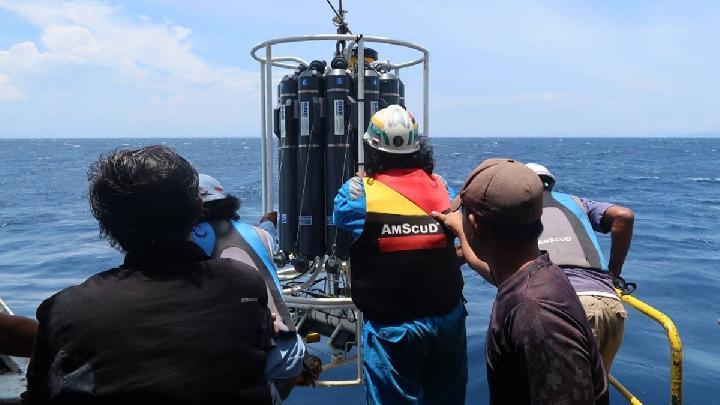
A joint research effort among various countries has found microplastics in Indonesian ocean regions up to a depth of 2,450 meters.
Microplastic Rain Hits East Java; Govt Urged to Act
26 Februari 2026
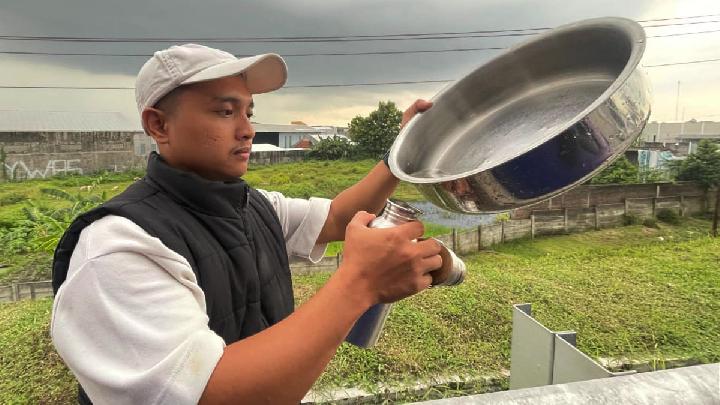
Researchers discover microplastics in East Java's rainwater, natural springs, and even human amniotic fluid. Experts urge the government to act.
World Waste Awareness Day: How Microplastics Enter the Human Body
23 Februari 2026
The Indonesian people consume the most microplastics, about 15 grams per month.
How Rainfall Helps Naturally Clean Jakarta's Air Pollution
19 Januari 2026
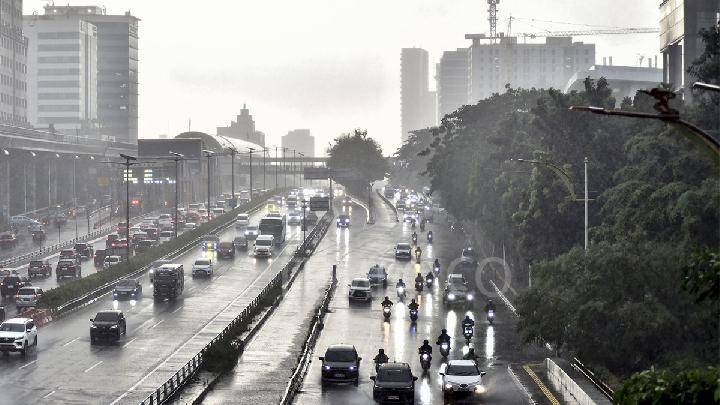
Heavy and continuous rain in January 2026 was found to be effective in reducing air pollution caused by microplastics.
Plant-Based Plastic Innovation: Leaves No Microplastics
23 Desember 2025
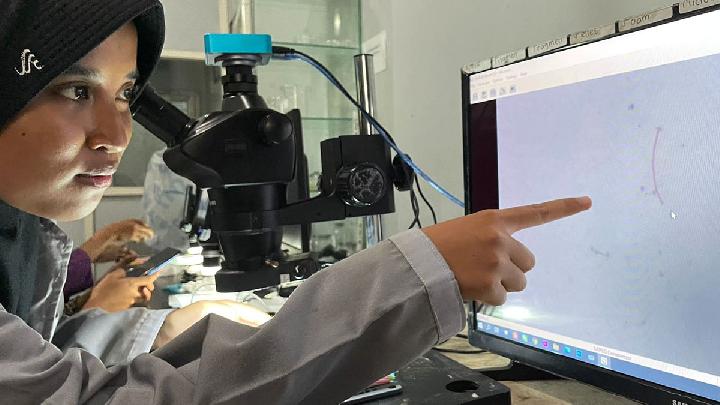
Japanese researchers have developed a plant-based plastic packaging material that easily decomposes in water without leaving microplastics.
Indonesia Uses IAEA NUTEC Program to Monitor Microplastics in Oceans
22 Desember 2025

BRIN joins international NUTEC initiative to standardize microplastic data and trace pollution over time
From Tea Bags to Table Lamps: Surabaya Student Innovates Eco-Friendly Home Dcor
10 Desember 2025
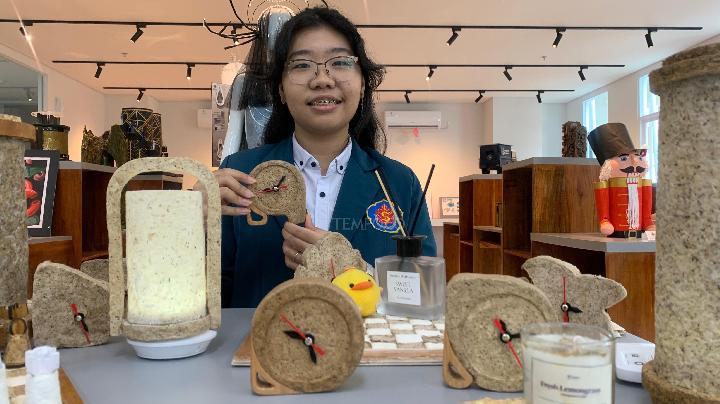
Jeanne Theresia Mintarja, a student at the University of Surabaya, creates home decorations from used tea bags in response to the concerns about microplastic content in tea bags.
Ecoton: Microplastics Contaminating Water Sources in Malang, Indonesia
6 November 2025
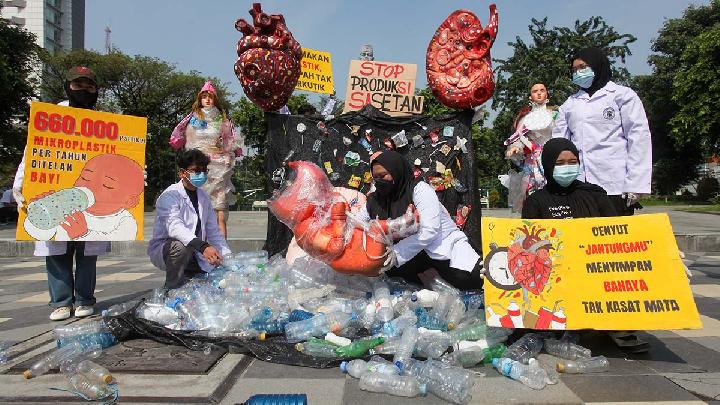
The result of study by Ecoton shows that 11 water samples in Malang, Indonesia, were contaminated with microplastics.
Australia Invests Rp13 Billion to Help Reduce Indonesia's Plastic Waste
29 Oktober 2025
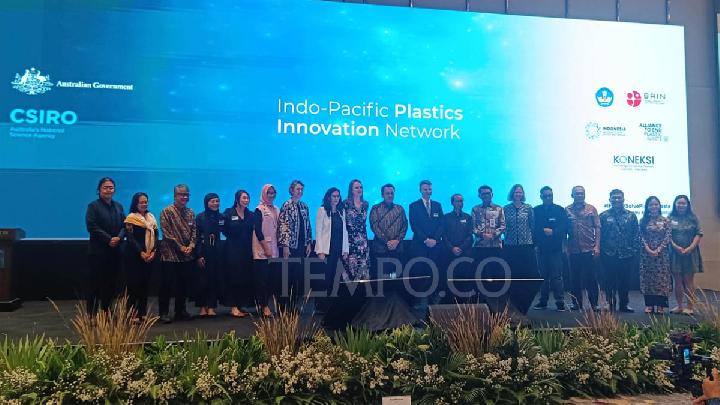
Australia, through the IPPIN program, has allocated approximately Rp13 billion for innovative plastic waste reduction in Indonesia.
Jakarta to Operate Rorotan RDF Facility to Combat Microplastic Pollution
24 Oktober 2025
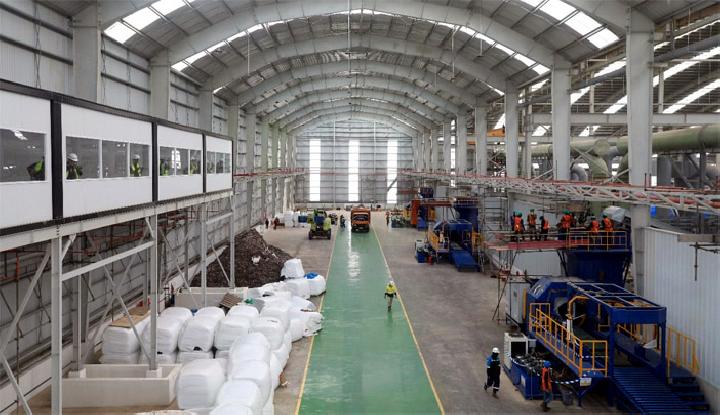
The RDF Rorotan waste processing facility in North Jakarta, which is expected to operate fully in November 2025, is believed to contribute to the reduction of microplastic pollution.