
Gerindra is speeding up the deliberations of the Indigenous Peoples Bill. Political capital for President Prabowo in the lead up to the 2029 elections.
PRESIDENT Prabowo Subianto and the Gerindra Party should not be using indigenous people as a source of votes. The job of the government, and that of the other parties in the House of Representatives (DPR) is to ensure that the Indigenous Peoples Bill currently being deliberated is able to protect the weakest groups in society, who have long been victims of state policy.
On the orders of President Prabowo, the Gerindra Party is trying to take control of the deliberation of the Indigenous Peoples Bill through the DPR Legislation Body led by Bob Hasan, a politician from that party. The bill, which began life as the Customary Law Communities Bill, has been in limbo for 18 years. Parties have failed to reach agreement on a number of crucial provisions, such as the mechanism for recognition and the nature of indigenous peoples’ rights.
The passing of the Indigenous Peoples Bill promises political benefits. The Indigenous Peoples Alliance of the Archipelago (AMAN) estimates that there are between 40 and 70 million indigenous people spread around more than 2,000 communities. This is a tempting source of votes for political parties or presidential candidates in the lead up to the 2029 elections. But this type of motive will turn people into nothing more than a political tool.
The Prabowo administration has almost never taken the side of indigenous people. For example, the President and Gerindra politicians did nothing to defend the indigenous people of South Papua who lost land, forests, and livelihoods as a result of the strategic national food estate project. And neither has the government ended the military involvement in this project despite indications of intimidation of local people.
Therefore, it is difficult to hope that the government or the DPR will ever fully view indigenous people as being recognized by the state and having rights over their areas, values and social systems. Signs of this were apparent from the decision to make the Legislation Body the forum for deliberation of the Indigenous Peoples Bill . The Legislation Body has often been used to rush through regulations. One example is the Job Creation Law, which was passed in 2020, after which part of the procedure was declared unconstitutional by the Constitutional Court.
The target to pass the Indigenous Peoples Bill by the end of the year is an indication of the same strategy being used. There is a risk that the deliberations will be without any meaningful public participation and will be no more than a formality. It is almost certain that the law that emerges from this type of procedure will have many substantial weaknesses and will have the potential to cause new problems in the future.
The DPR should not deliberate the Indigenous Peoples Bill at the Legislation Body. The establishment of a special commission with a broad range of members would be more likely to produce comprehensive deliberations. After all, the regulations on indigenous people are scattered around various laws related to forestry, agriculture, and agrarian issues. And these regulations have more often ignored the interests of local people in order to accommodate those of mining and palm oil corporations or strategic national projects.
The passing of the Indigenous Peoples Bill could become a political legacy for President Prabowo and the Gerindra Party. But if the law does not prioritize the protection if the rights of indigenous people, this legacy will be no more than an empty slogan. The government will only repeat the state’s past failures to protect indigenous people.
Destruction of Nature and Fading Indigenous Identity
32 hari lalu

Mining expansion and land conversion can lead to erosion of living spaces and cultural identity of indigenous communities.
Contradictive Customary Forests Protection
8 Mei 2026

The House of Representatives and the government suddenly take an interest in the Indigenous Peoples Bill. Meanwhile, land grabs continue unabated.
Why the Indigenous Peoples Bill Must Be Passed Immediately
3 Februari 2026
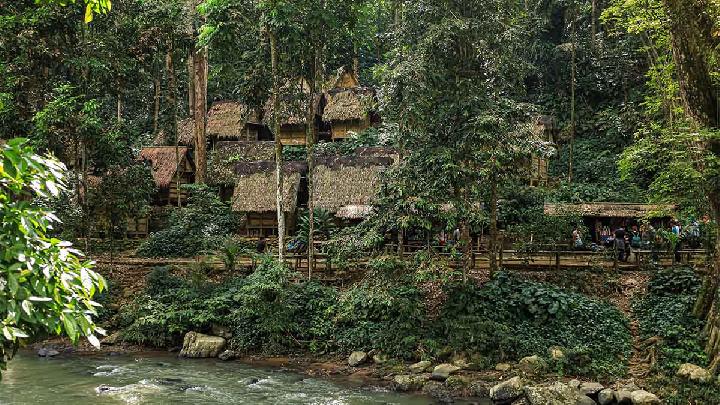
For 16 years, the Indigenous Peoples Bill (Rancangan Undang Undang Masyarakat Adat or RUU MA) has stalled in the Indonesian parliament.
Protesters Breach COP30 Venue, Confront Security in Heated Clashes
12 November 2025
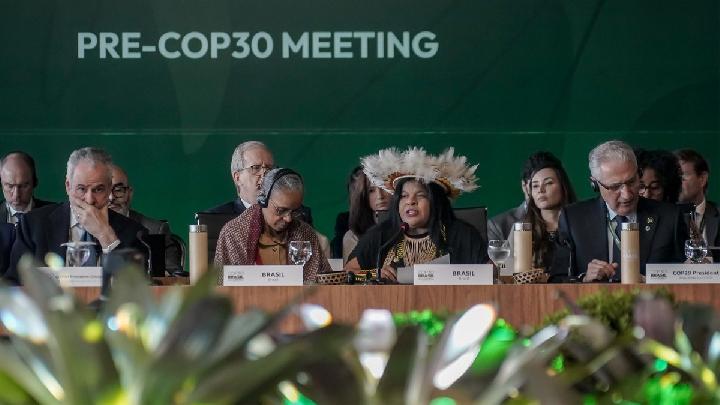
On Tuesday night, dozens of indigenous protesters stormed the COP30 climate conference venue in Brazil, demanding action on forest protection.
Govt Reprimands Jakarta Hospital for Refusing Indigenous Patient with No ID
6 November 2025
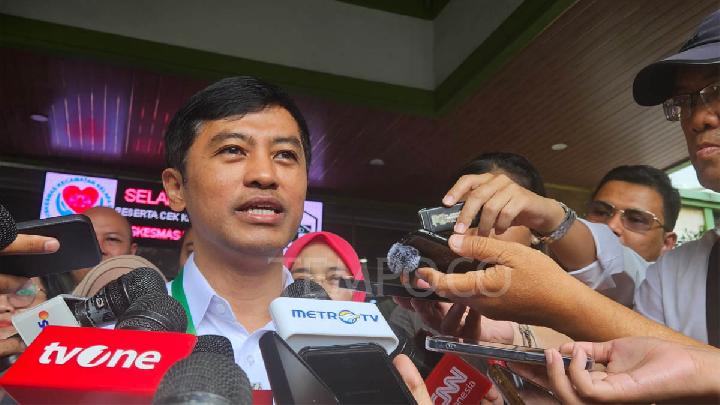
Vice Minister of Health emphasizes that refusal of healthcare services, especially in emergencies, is a violation of citizens' basic rights
AMAN: Toba Pulp Lestari Workers Assault Indigenous Residents Guarding Ancestral Land
22 September 2025
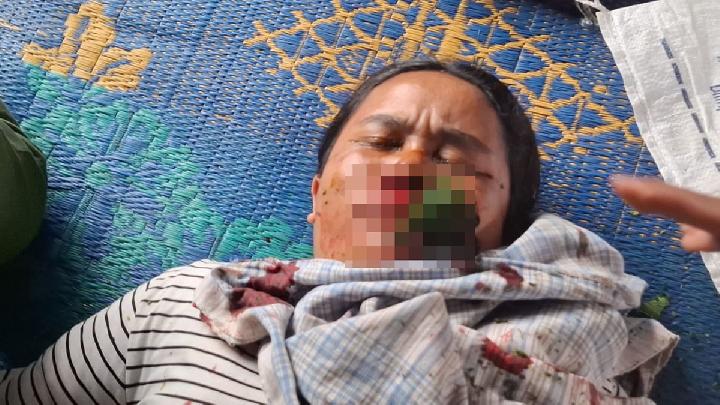
Hundreds of workers from the tycoon-owned Toba Pulp Lestari reportedly raided the indigenous community, leaving several people injured.
UN Special Rapporteur Engages with Indigenous Communities in Indonesia's NTT
11 Juli 2025

The arrival of Albert Kwokwo Barume is part of an academic visit, defined as an unofficial visit for the UN Special Rapporteur to Indonesia.
Special UN Rapporteur Visits Papua, Hears Indigenous Concerns
8 Juli 2025
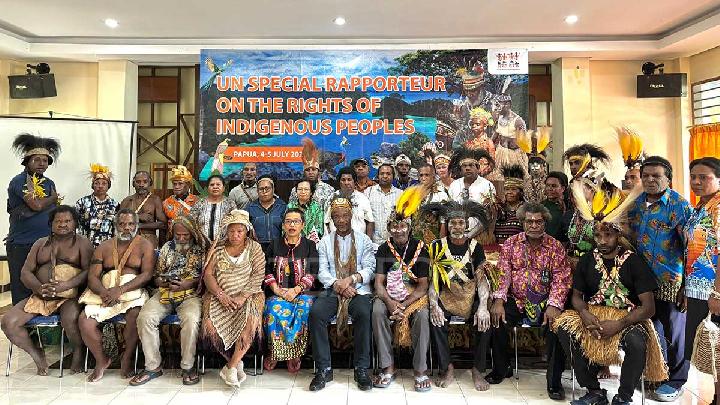
UN Special Rapporteur Albert Kwokwo Barume's visit to Papua was categorized as an informal or "academic visit".
The Customary Forest Recognition Sweetener
2 Mei 2025

Forestry Minister establishes a task force for the acceleration of customary forest designation. It is just a gimmick without any political sincerity.
Celios: Central Govt's Dominant Role in Food Estate PSN Violates Papua's Special Autonomy
23 Desember 2024

Overall, the Merauke food estate area consists of five clusters and is spread across 13 districts.