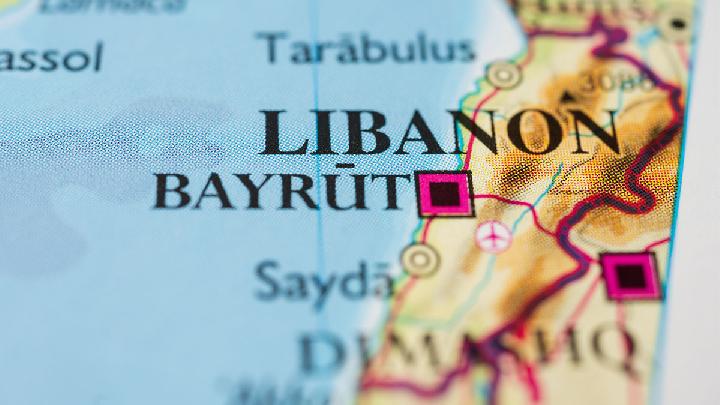
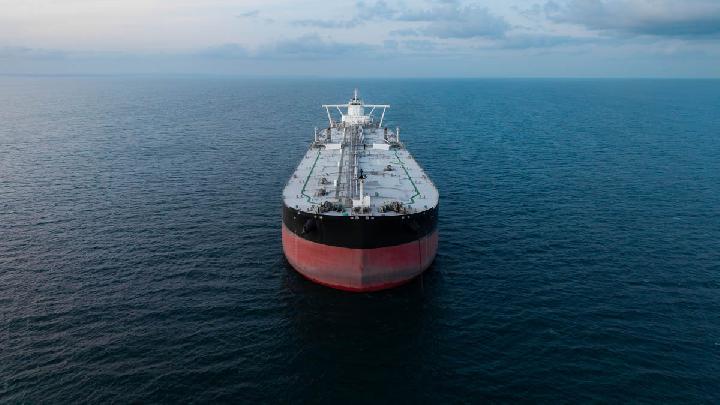
TEMPO.CO, Jakarta - Global oil prices have soared sharply over the past week as escalating tensions in the Middle East disrupt primary energy supply routes. The closure of the Strait of Hormuz, triggered by the conflict between Iran and the U.S.-Israeli bloc, has served as the primary catalyst for the sudden price spike.
According to Trading Economics data, the price of West Texas Intermediate (WTI) crude surged to US$84 per barrel on Friday, March 6, 2026. On a weekly basis, the U.S. oil benchmark jumped by approximately 21 percent, marking its most significant increase since 2020.
This hike occurred after the crisis in the Gulf region nearly halted shipments through the Strait of Hormuz, a strategic maritime artery that typically handles around 20 million barrels of oil and petroleum products daily.
Meanwhile, Brent crude also recorded gains, with the global benchmark rising 4.93 percent, or approximately US$4.01, to reach US$85.41 per barrel.
Commercial traffic in the Strait of Hormuz has reportedly slowed to a near-standstill due to heightened security risks, insurance hurdles, and operational uncertainties. Consequently, several producers have begun to scale back production, further tightening global market supply.
The U.S. government has signaled potential measures to curb the energy price surge, including the option of releasing reserves from the Strategic Petroleum Reserve. Washington has also granted India temporary flexibility to purchase certain Russian crude shipments already at sea.
According to Trading Economics, Saudi Arabia has raised its selling price for Asian buyers and diverted some shipments through Red Sea ports to bypass the volatile Hormuz route.
Burden on the State Budget
This global price surge threatens to strain Indonesia's fiscal health, as the State Budget faces a potential widening deficit if the Middle East conflict continues to escalate. In the macro assumptions of the 2026 budget, the government pegged the oil price at US$70 per barrel; however, by early March, prices had already cleared the US$80 mark.
Susiwijono Moegiarso, Secretary of the Coordinating Ministry for Economic Affairs, stated that every uptick in oil prices increases the burden of energy subsidies and compensation within the budget. "For every one-dollar increase in the ICP (Indonesian Crude Price), from the expenditure side, we have to add Rp10.3 trillion because of energy subsidies and compensation," he explained during a discussion hosted by UOB Indonesia in South Jakarta on Monday, March 2, 2026.
Conversely, rising prices do bolster state revenue from the oil and gas sector. Susiwijono noted that every US$1 increase per barrel could raise revenue by approximately Rp3.6 trillion through non-tax state revenue (PNBP). Nevertheless, this additional income remains insufficient to cover the surge in spending. "So the deficit is about Rp6.7 trillion for every US$1 increase," he added.
Meanwhile, Minister of Energy and Mineral Resources Bahlil Lahadalia assured the public that subsidized fuel prices would remain unchanged despite the global market volatility. "The prices remain the same before any changes from the government," Bahlil said during a press conference at his office in Jakarta on Tuesday, March 3, 2026.
He noted that while the ICP in the 2026 State Budget was set at US$70 per barrel, the current market range of US$78 to $80 per barrel could necessitate increased subsidy funding. To mitigate risks, Bahlil stated the government would shift crude oil imports from the Middle East to the United States.
Currently, roughly 25 percent of Indonesia’s oil imports originate from the Middle East. This transition is part of the Agreement on Reciprocal Trade (ART) between Indonesia and the U.S., under which Indonesia committed to purchasing US$15 billion worth of American oil and liquefied petroleum gas.
Fahmy Radhi, an economics lecturer at Gadjah Mada University, argued that the surge poses a dilemma for the administration. If subsidized fuel prices are held steady, the state budget burden grows; if they are raised, the policy risks driving inflation, given the high consumption of subsidized fuel. "Because the largest consumers of fuel are Pertalite and diesel. So, this is indeed a difficult choice for the government," Fahmy said.
M. Faiz Zaki contributed to the report
Read: Purbaya Outlines Scenarios Should Oil Price Hit US$92 per Barrel
Click here to get the latest news updates from Tempo on Google News
Purbaya Outlines Scenarios Should Oil Price Hit US$92 per Barrel
3 jam lalu

Minister of Finance Purbaya Yudhi Sadewa stated that his ministry has calculated various scenarios should global oil prices reach US$92 per barrel.
Strait of Hormuz Oil Trade by Country: 5 Nations Most at Risk of Disruption
2 hari lalu
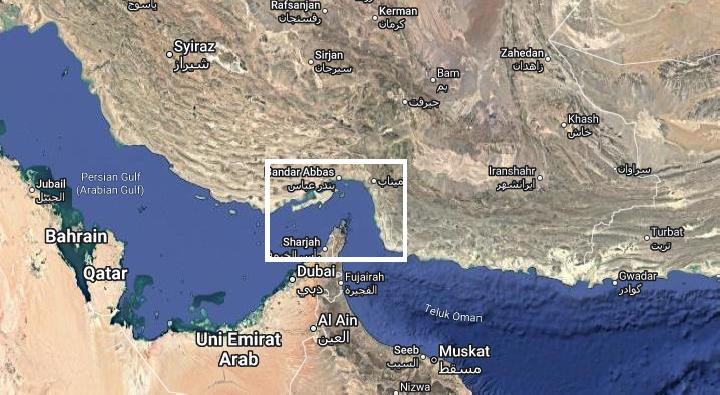
Understanding the oil trade from the strait of Hormuz by country highlights how deeply many major economies rely on this passage.
How a Broader US-Iran War Could Strain Indonesia's State Budget
2 hari lalu

Coordinating Ministry for Economic Affairs said even a modest increase in oil prices would significantly strain the state budget.
Indonesia's State Budget Strong Enough to Withstand Global Crisis, Says Minister
2 hari lalu

Indonesian Finance Minister Purbaya Yudhi Sadewa confirmed that the State Budget remains strong enough to weather a potential global crisis.
Iran Attacks on Gulf Oil and Gas Sites Trigger Energy Fears
3 hari lalu
Iranian attacks on refineries, gas plants, and tankers heighten global energy supply fears, risking economic fallout from Asia to Europe.
Subsidized Fuel Prices in Indonesia Hold Steady Despite Rising Oil Prices
3 hari lalu

Under the 2026 State Budget, the Indonesian Crude Price is set at US$70 per barrel, but market prices have climbed to US$78-80.
Will Iran War Send Oil Prices Above $100 a Barrel?
4 hari lalu

Oil markets are bracing for spikes after the US-Israel strikes on Iran and Tehran's retaliation, with Iran's position keeping traders on edge.
Global Oil Could Hit US$100 per Barrel as Middle East Tensions Escalate
4 hari lalu

If oil prices were to reach US$100 per barrel, the Indonesian government would face a dilemma: whether to raise subsidized fuel prices or not.
Indonesia's Budget at Risk from US-Israeli Aggression Against Iran
5 hari lalu
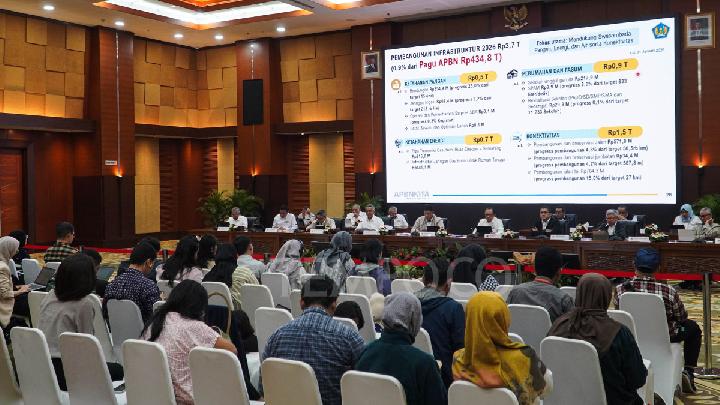
The US-Israel conflict with Iran and the closure of the Strait of Hormuz trigger a global oil price surge, threatening Indonesia's 2026 State Budget.
Israel's Strike on Iran Could Push Prices Higher in Indonesia
5 hari lalu

Founder and CEO of Supply Chain Indonesia estimates that diesel prices will increase by around Rp750-2,000 per liter due to the Israeli attack on Iran