March 11, 2026 | 03:49 pm

TEMPO.CO, Jakarta - Indonesia's Meteorology, Climatology, and Geophysics Agency (BMKG) has predicted that the 2026 dry season in West Java will arrive earlier than usual and last longer than normal.
According to the BMKG Climatology Station in West Java, rainfall during the dry season is expected to remain below normal across most of the province.
“The dry season is predicted to begin gradually from March to June 2026, with most areas entering it in May,” said Teguh Rahayu, Head of the BMKG Geophysics Station in Bandung, in a written statement on Tuesday, March 10, 2026.
BMKG forecasts that the dry season will start in March in about 2 percent of the province, including northern Bekasi Regency, northern Bekasi City, and northwest Karawang. By April, it is expected to cover roughly 10 percent of West Java, including parts of Bekasi, Karawang, northeast Purwakarta, northern Subang, Indramayu, and some areas of Cirebon.
Most of West Java, accounting for 56 percent of the region, is projected to enter the dry season in May, including areas such as Bogor, Sukabumi, Cianjur, Greater Bandung, Garut, Sumedang, Tasikmalaya, Pangandaran, as well as the regions of Cirebon, Indramayu, Majalengka, Kuningan, Ciamis, and Banjar.
By June, an additional 30 percent of the province is expected to experience dry conditions, including most of Bogor, northern Sukabumi, northwest Cianjur, Greater Bandung, southeast Garut, southern Tasikmalaya, and western Pangandaran.
“The peak of the dry season is predicted to occur in August, lasting approximately 13–15 ten-day periods, and is expected to be longer than normal,” Rahayu said.
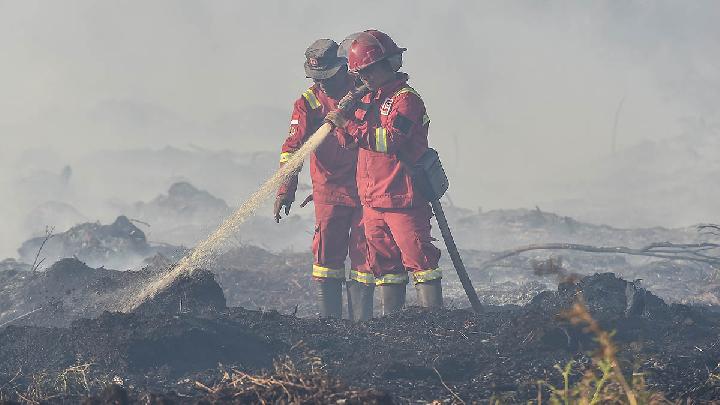
With below-normal rainfall and a tendency for a longer dry season, BMKG warns of potential impacts, including meteorological drought, reduced availability of clean water, disruption to agricultural irrigation, and an increased risk of forest and land fires.
BMKG urges local governments and the public to anticipate these impacts through better management of water resources and adjustments to the planting calendar.
Read: Top 10 Creative Side Hustle Ideas with AI to Boost Your Income
Click here to get the latest news updates from Tempo on Google News
BMKG: Indonesia to See Earlier, Longer Dry Season in 2026
6 hari lalu
BMKG predicts that Indonesia will gradually enter the dry season in April this year, starting from the Nusa Tenggara regions.
Heavy Rain Persists, When Will Dry Season Start in Greater Jakarta?
13 hari lalu
Extreme weather potential remains present across Indonesia next week. When will the dry season kick off?
BMKG: Heavy Rainfall Across Indonesia to Persist Until March 2026
30 Desember 2025

In general, according to BMKG, rainfall is occurring normally in Indonesia.
BMKG's 2026 Weather Outlook: Very Heavy Rainfall in Parts of Indonesia
24 Desember 2025
BMKG forecasts that most of Indonesia will have 1,500 to 4,000 millimeters of yearly rainfall in 2026
BMKG: Indonesia Braces for Local Rains, Extreme Weather in Early October 2025
1 Oktober 2025

BMKG has stated that significant growth of rain clouds, including in early October, could trigger extreme weather in various regions.
Indonesia's Wet Dry Season: How Long Will It Last?
25 September 2025

Several regions in Indonesia have entered the wet dry season since late April, with unexpected rainfall continuing in many areas.
Why Is Indonesia's Rainy Season Starting Early in 2025?
14 September 2025
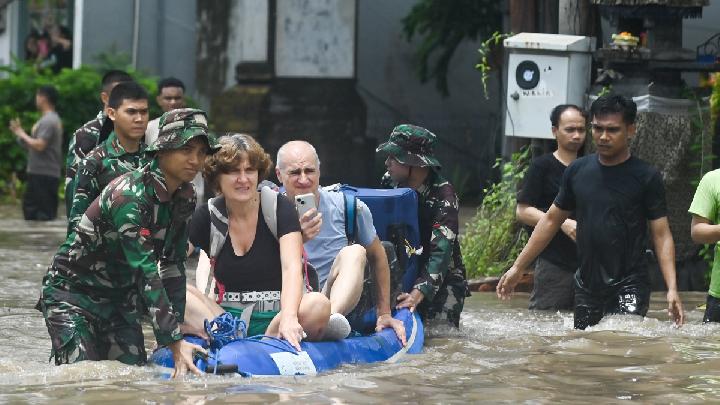
The peak period of the rainy season in Indonesia stretches from November to February. BMKG warns of impending disasters.
Indonesia Weather Alert: Heavy Rain, Strong Winds Forecast Through Early September
26 Agustus 2025

BMKG in its weather forecast noted that rain is still lurking in the dry season, urging people to increase vigilance.
Prabowo Urge Caution Amid Forest and Land Fire Risk
4 Agustus 2025

Prabowo convened a limited meeting, evaluating efforts to combat forest and land fires ahead of the peak of the dry season.
South Sumatra Records 1,137 Hotspots, Highest Count of 2025 in July
26 Juli 2025

South Sumatra has recorded 2,663 hotspots since the beginning of 2025.