TEMPO.CO, Jakarta - Just hours after Israeli and US bombs started hitting Tehran on Saturday, Russia's permanent representative to the UN, Vassily Nebenzia, called it an "unprovoked act of armed aggression against a sovereign and independent UN member state."
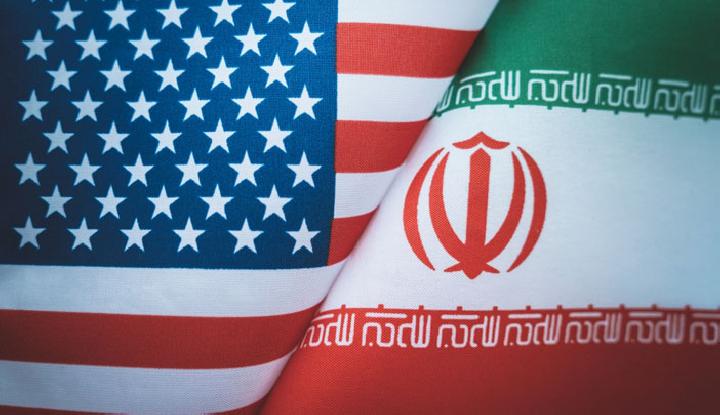
Moscow is one of Tehran's few but staunchest allies, and a possible collapse of the Iranian regime could be a blow for its geopolitical and economic interests. Then why has it not come to Tehran's rescue?
Russia-Iran partnership
Moscow and Tehran have been cooperating on several economic projects vital to Russia, Nikita Smagin, an independent Azerbaijan-based expert on Russia and the Middle East, told DW.
"The North-South transport corridor is one of them — especially since Russia was cut off from its traditional transit routes after starting the full-scale invasion of Ukraine in February 2022," he explained.
Russia, India and Iran signed the agreement for the 7,200-kilometer (4,473 miles) multi-mode network in 2000, which is also set to go through Azerbaijan. According to the Saudi Arabia-based think tank Gulf Research Center, 75% of the project has been finished.
Iran has also been crucial to Russia militarily, not least by providing so-called Shahed drones since 2023. The drones have largely reshaped the Ukraine war, said Julian Waller, research analyst in the Russia Studies Program at US-based think tank Center for Naval Analyses (CNA).
"Iran was useful for the Russian war effort, even if the production [of drones] has now largely been indigenized to Russia, which has improved their design," Waller told DW.
Russia is also reported to have been sharing intelligence with Iran and sent missiles and ammunition to Tehran.
"The partnership between Russia and Iran, however, is not about ideology—Russian politicians don't particularly like Iran," underlined Smagin, "but they view Tehran as a reliable strategic partner, as both countries are under international sanctions—unlike Turkey or Egypt that might stop trading with Russia if pressured by the West," he explained.
Gregoire Roos, director for Europe and Russia at London-based think tank Chatham House, believes that Tehran had even become Moscow's mentor to a certain extent.
"Iran has had the significant experience of bypassing international sanctions for many years and been providing Russia with advice on how to circumvent them," he told DW.
Iran's miscalculation?
And yet, experts seem to agree Russia is unlikely to actively intervene in the ongoing US-Israel war against Iran.
"The two countries are not defensive allies," Waller said. That might also be down to an informal non-attack pact with Israel that Russia is understood to have, some analysts say.
According to Mojtaba Hashemi, international relations expert and political analyst, Tehran was nonetheless expecting "tangible political and military support" from Moscow. "This included expanded military-technical cooperation, intelligence sharing, and sending a clear deterrent message to its enemies — not just verbal support," the expert told DW, adding that the Iranian regime was wrong in its calculations.
"Russia and China have bigger problems to worry about. Their support has been the same kind that has so far provided the Islamic Republic with many weapons and means of repression," Hashemi said.
Mohammad Ghaedi, a lecturer at George Washington University, however, believes that the lack of support from Russia didn't come as a surprise to the Iranian leaders. "Skepticism about relying on Moscow has long existed in Tehran. As (former Iranian president) Mahmoud Ahmadinejad once said, 'Russia has always sold out the Iranian nation,' and President Masoud Pezeshkian after the 12-day war (June 2025) noted that 'countries we considered friends did not help us during the war.'"
The Iran war benefits and drawbacks for Moscow
A prolonged Iran war might have its upsides for Moscow, argues Roos of Chatham House. "The media oxygen would grow thinner for [Ukrainian] President Volodymyr Zelenskyy, because everything is about Iran and the risk of escalation," he said.
"Additionally, Washington could not afford to sustain another front from a diplomatic and military support perspective—and the hierarchy of priorities will obviously go to the Middle East."
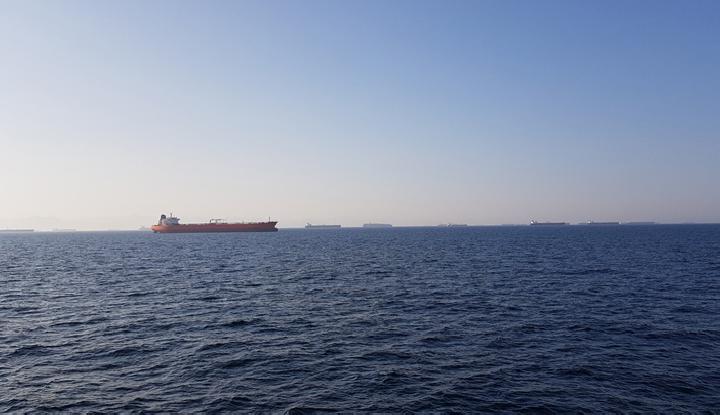
And there might be economic perks for Russia as well. Iran has largely closed the Strait of Hormuz, through which 20% of the world's oil and gas passes. Oil and gas prices have since soared.
"If oil and gas prices stayed high for months or even a year, that would be a major benefit to the oil-and-gas-exporter Russia," think-tank CNA's Julian Waller said, adding that the Kremlin could then bring down domestic taxes that had been used to finance the war.
Still, the possible fall of the Iranian regime would be a major setback for Russia's standing, as Moscow likes to portray itself as a great power, Roos underlined. "Russia has been part of a group of countries—including Iran, Syria and China—aiming to replace the Western-driven world order with a multipolar world," he said.
"But this group never shrank so quickly before, which means a significant loss of influence for Russia in its so-called Eurasian zone of influence."
Will the Russia-Iran alliance continue?
Hashemi believes the lack of support from Russia to Iran is likely to fracture their ties.
"Russia and China have largely used Iran as a geopolitical bargaining chip with the West. If the current regime weakens further, Moscow will likely seek reassurances from the next Iranian government rather than invest in a collapsing structure. China is similarly seeking concessions from the next government to maintain at least some of its influence. However, both know that Iran's relations with them after the Islamic Republic will be quite different," he explained.
George Washington University's Ghaedi is of the view that the current Iranian regime would still like to maintain close ties with Moscow given its strained ties with the West. "Tehran is unlikely to risk losing this partnership, especially with Russia holding veto power at the UN Security Council."
Niloofar Gholami contributed to the writing of this article.
Read: Russia and China Condemn US-Israeli Strikes on Iran
Click here to get the latest news updates from Tempo on Google News