TEMPO.CO, Jakarta - US President Donald Trump has invited dozens of world leaders to join a new initiative, the Board of Peace (BoP), aimed at resolving global conflicts.
The proposal has sparked debate, with some analysts warning it could potentially undermine the work of the United Nations. Below is a look at the countries that have joined, those that declined, and the broader context of the initiative.
What Is the Board of Peace?
Trump first announced the Board of Peace in September 2025 as part of his plans to end the Gaza conflict. He later clarified that the board’s mandate would extend beyond Gaza to mediate other global disputes.
According to the initiative’s charter, Trump will serve as the first chairman. Member countries can join for a three-year term, with the option to become permanent members by contributing US$1 billion to fund the board’s activities.
The White House has appointed a founding Executive Board, including US Secretary of State Marco Rubio, Trump’s special envoy Steve Witkoff, former UK Prime Minister Tony Blair, and Trump’s son-in-law Jared Kushner.
Indonesia and Other Muslim Countries Join
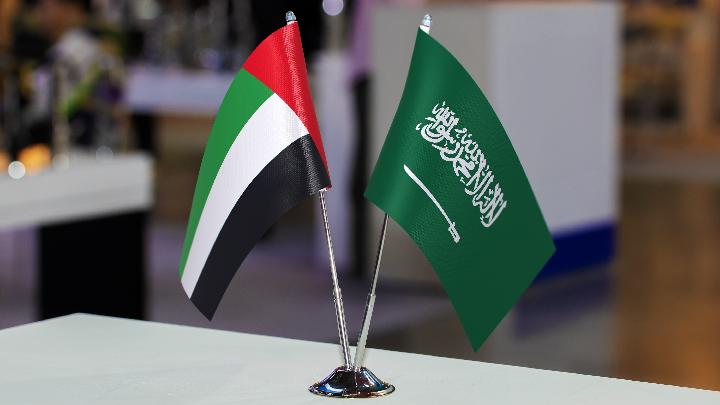
Indonesia, along with seven Arab and predominantly Muslim nations, has officially accepted Trump’s invitation. A joint statement released on Thursday, January 22, 2026, by the foreign ministers of Indonesia, Turkey, Egypt, Jordan, Pakistan, Qatar, Saudi Arabia, and the UAE confirmed their participation.
“The Foreign Ministers of the United Arab Emirates, the Republic of Türkiye, the Arab Republic of Egypt, the Hashemite Kingdom of Jordan, the Republic of Indonesia, the Islamic Republic of Pakistan, the Kingdom of Saudi Arabia, and the State of Qatar welcome the invitation extended to their leaders by the President of the United States of America, Donald J. Trump, to join the Board of Peace,” the statement reads.
The ministers pledged to support the Board of Peace’s mission as a transitional administration, as outlined in the Comprehensive Plan to End the Gaza Conflict, and to follow their national procedures in formalizing participation.
Other countries that have joined include Armenia and Azerbaijan, following a US-mediated peace agreement in August 2025, and Belarus, a controversial acceptance given its long-standing human rights criticisms and alignment with Russia.
Mixed Reactions from Other Nations
Responses to Trump’s initiative have been mixed. Key US allies like Norway, Sweden, and France have declined invitations. Italy raised constitutional concerns, while Canada has agreed in principle but is still finalizing details.
Major powers with UN Security Council veto power—Russia and China—have yet to formally respond. Analysts suggest they will approach cautiously, as the board could be seen as a parallel mechanism to the UN. Trump, a frequent critic of the UN, insisted the board would not replace the international body.
Other hesitant nations include the UK, Germany, Japan, and Ukraine, with President Volodymyr Zelensky noting that serving alongside Russia would be difficult given the ongoing conflict. The Vatican has also confirmed that Pope Leo is reviewing the invitation.
Critics argue the Board of Peace risks politicizing conflict resolution by placing US leadership at the center. Supporters maintain it could accelerate solutions in long-stalled conflicts, with financial contributions providing a clear stake for participating nations.
Indonesia’s participation marks a significant step in engaging with US-led diplomatic initiatives, reflecting the country’s interest in regional and global peace efforts.
Read: Trump Tells Canada to Be Grateful, Says It 'Lives Because of US'
Click here to get the latest news updates from Tempo on Google News