January 23, 2026 | 06:23 am
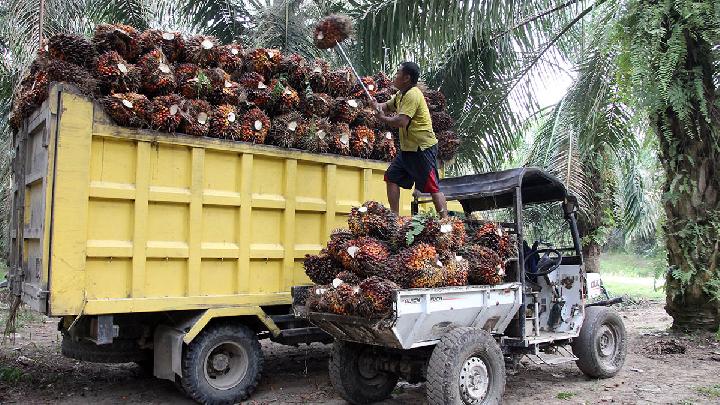
TEMPO.CO, Jakarta - The KBBI adopts a new word to define lowercase letters. More serious is the change of definition of the oil palm from a plant to a tree.
BEYOND the fuss over the inclusion of the word kapitil in the latest edition of the official Indonesian language dictionary Kamus Besar Bahasa Indonesia (KBBI)—a colloquial opposite of kapital, meaning uppercase—there is a more serious issue in our language politics. The Language Agency has changed the definition of sawit (oil palm) from a tumbuhan (plant) to a pohon (tree). As well as being mistaken and in violation of various regulations, referring to an oil palm as a tree has vast and significant consequences.
In the October 2025 version of the KBBI, the word kapitil is categorized as cak, or cakapan (conversational/colloquial). This means that it is not formal. There are many words from regional or foreign languages also categorized as colloquial because they are in widespread use, but do not follow the rules for the formation of words and are therefore not recognized as formal words in the Indonesian language.
However, defining oil palm as “a tree resembling that of the coconut” is more serious than simply a category of word. In the second and third editions of the KBBI 10 years ago, the oil palm was still defined as “a plant with bunches of dark red flowers containing oil.” This definition referred to the species with the Latin name Elaeis guineensis.
Oil palm is a monocot plant. It does not contain cambium, the cell layer that produces wood. Consequently, the Royal Horticultural Society in the United Kingdom classifies oil palm simply as a large-stemmed herb. This scientific literature serves as the benchmark for defining trees, wood, and forests in many regulations. The Job Creation Law, for example, defines a tree as a plant with a woody stem.
Therefore, labeling oil palm a tree is both a scientific fallacy and a legal violation. It even contradicts the KBBI’s own definition of a “tree,” which it describes as a “perennial woody plant that stands upright and tall.”
Redefining oil palm as a tree will change the way it is treated. The conversion of forests into oil palm plantations would no longer be labeled deforestation. Oil palm would immediately become a forestry commodity, no longer subject to the Agriculture Ministry regulations. Defining oil palm as a tree has many constitutional and administrative implications.
In 2018, the Faculty of Forestry and Environment at IPB University, sponsored by the Oil Palm Farmers Association, drafted an academic paper categorizing oil palm as a forestry plant. The Forestry Ministry rejected it, arguing that oil palm cannot function as a forest rehabilitation plant. The Food and Agriculture Organization (FAO) has also stood firm in categorizing oil palm as a monoculture agricultural commodity.
Another impact of the definition of the oil palm as a tree is policies that endanger the environment. In the National Development Planning Conference at the end of 2024, President Prabowo Subianto fervently declared, “There’s no need to be afraid of deforestation because oil palms are trees.” Therefore, he wants to convert Papua’s forests into oil palm plantations to fulfill the demand for biodiesel production.
Prabowo’s statement aligns with his recent comments regarding the devastating floods and landslides in three Sumatran provinces at the end of last year. Cyclone Senyar, fueled by climate change, triggered extreme rainfall that Sumatra’s landscape—now less than 30 percent forested—could no longer absorb. For decades, Sumatra’s forests have been converted into settlements, oil palm plantations, and mines.
While kapitil is simply the adoption of a colloquialism (conversational expression) in the KBBI, the redefinition of oil palm into a tree is a linguistic politics that is often used by those in destructive power.
Managing Forests Without Restoring
20 jam lalu
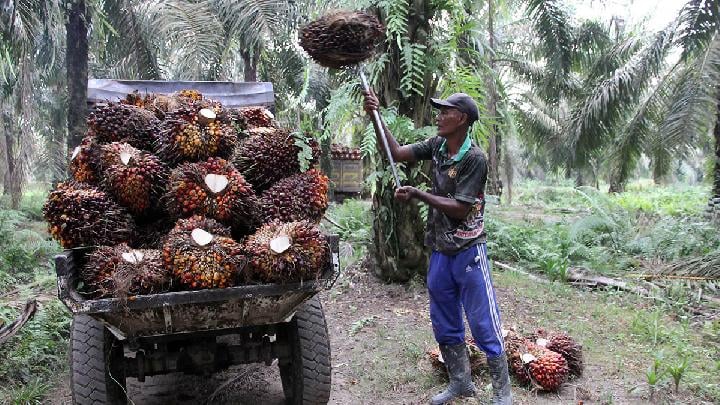
A total of 4.09 million hectares of oil palm plantations inside forest areas was brought under control in 2025.
Chaos Over the Confiscation of Plantations in Forest Areas
20 jam lalu

Prabowo asked Forest Area Enforcement Task Force to take over 5 million hectares forest land in 2026. Last year's enforcement still ran into problems.
Papua Lawmaker Rejects Prabowo's Palm Oil Plan, Military Projects
7 hari lalu

Southwest Papua DPD member expressed his disapproval of Indonesian President Prabowo's plan to encourage oil palm plantations in Papua.
Governor Dedi Mulyadi Bans New Oil Palm Plantations in West Java
21 hari lalu
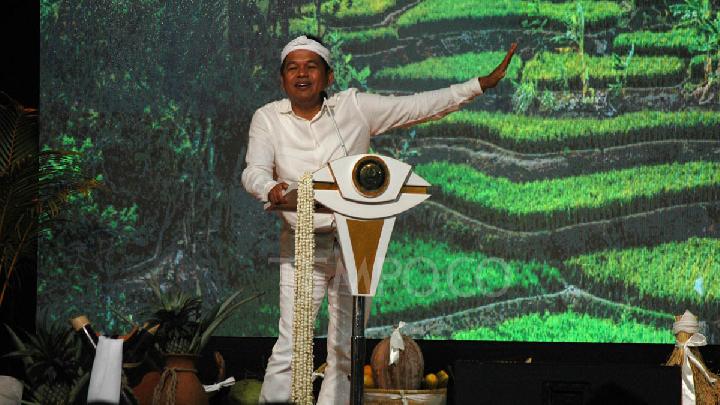
He also ordered the gradual replacement of existing oil palm crops with other commodities better suited to the region's environmental conditions.
Waking up After Disaster Strikes
30 hari lalu
Parts of Sumatra were hit by floods resulting from the arbitrary granting of permits to clear forests. Now Papua is under threat.
Greenpeace Warns Prabowo's Papua Plan Risks Ecological Disaster
35 hari lalu

Greenpeace Indonesia criticizes President Prabowo's directive to the local authorities in Papua regarding massive planting of oil palm.
Prabowo Urges Oil Palm Planting in Papua for Biofuel
36 hari lalu
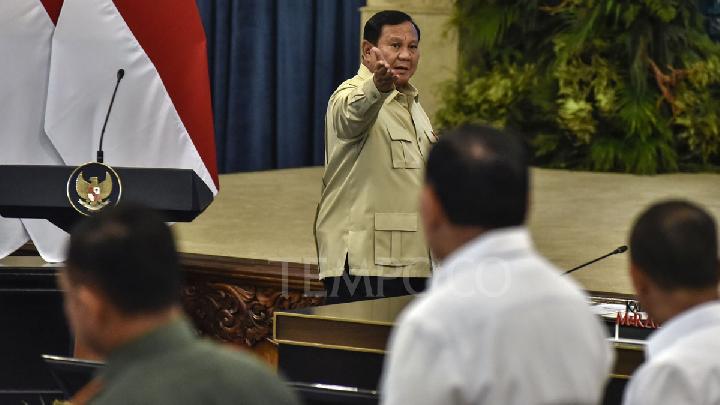
Indonesian President Prabowo Subianto urges the planting of oil palms in Papua to produce alternative fuel as a substitute for fossil fuel.
Prabowo Pushes for Oil Palm Cultivation in Papua to Boost Alternative Fuel
37 hari lalu
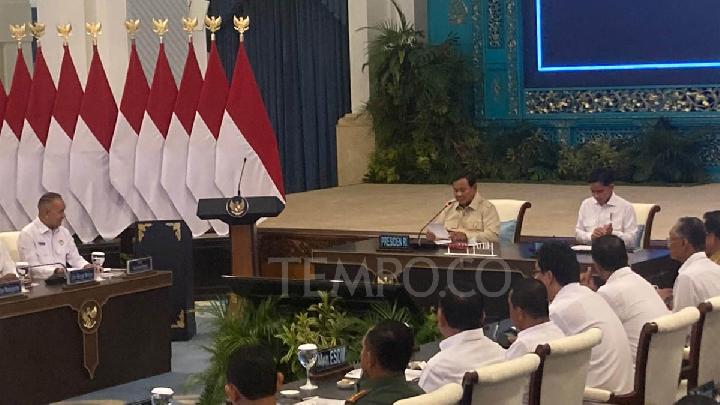
In addition to oil palm, Prabowo is also promoting the cultivation of sugarcane and cassava to produce ethanol.
Indonesia's PLN EPI to Build 5 Biomass Plants with Poland-Based Company G7
11 Oktober 2025

Indonesia has the potential for approximately 130 million tons of biomass per year, but only a small portion is utilized.
Orangutan Found Near Central Kalimantan's Oil Palm Plantation Linked to Land Clearing, Says BKSDA
6 Agustus 2025

A male orangutan named Sugiman was found near an oil palm plantation. It is suspected that it unintentionally entered the area due to land clearing.