TEMPO.CO, Jakarta – England face one of their toughest tests of the 2026 FIFA World Cup when they meet Norway in the quarterfinals on Sunday, July 12, with one question dominating the buildup: how do you stop Erling Haaland?
The quarterfinal clash at Miami Stadium in Florida will pit Thomas Tuchel's well-balanced England side against a Norway team powered by one of the world's deadliest strikers.
While Norway also boast talents such as Martin Odegaard, Sander Berge, and goalkeeper Orjan Nyland, Haaland remains the team's defining figure.
The Manchester City forward has been directly involved in much of Norway's attacking output at the tournament. He has contributed seven of Norway's 12 goals, accounting for around 58 percent of the team's scoring, and has generated roughly a third of their total chances.
More remarkably, Norway have not lost a match with Haaland in the starting lineup since a 2-1 defeat to Austria in the UEFA Nations League in September 2020. Their only defeat at this World Cup, a 4-1 loss to France in the group stage, came when Haaland was absent.
The Haaland Factor
Standing at 1.95 meters and weighing 94 kilograms, Haaland combines physical dominance with explosive speed and exceptional positional awareness. Yet his greatest strength may be his efficiency.
Unlike many modern forwards, Haaland rarely drops deep to build attacks. Instead, he conserves energy, carefully timing his movements and waiting for decisive moments that defenders often fail to anticipate.
His intelligence off the ball makes him particularly dangerous. Most of his opportunities require only a single touch. Of the 18 chances he has created during the tournament, 17 have come from direct one-touch actions.
Even when he sees little of the ball, Haaland remains capable of deciding matches. Both of his goals in Norway's round-of-16 victory over Brazil came after he quietly slipped away from defenders before finishing clinically.
Norwegian football professor Geir Jordet recently told The Athletic that Haaland's awareness of his surroundings allows him to process information faster than most elite strikers.
According to Jordet, while many top forwards may reassess their positioning two or three times in the 10 seconds before receiving the ball, Haaland can do so four or five times, giving him a crucial advantage.
Tuchel's Tactical Dilemma
Stopping Haaland will likely be Tuchel's biggest tactical challenge. Previous opponents such as Iraq, Senegal, Ivory Coast, and Brazil struggled despite using two central defenders to limit the striker.
That could encourage Tuchel to consider a three-man defensive system, a formation he often used during his time managing Chelsea.
A 3-4-2-1 setup would allow England to deploy three center-backs, with one defender assigned to track Haaland closely while the others provide defensive cover.
However, changing formations could affect England's attacking balance.
The Three Lions have frequently used width during this tournament, particularly through Saka on the right flank. A back-three system could reduce the impact of players who have been crucial to England's attacking approach, including Saka, Gordon, and Bellingham's ability to move between midfield and attack.
England will also rely on the control provided by Declan Rice and Elliot Anderson in midfield, especially against Norway's transition threat.
Lessons From Morocco and Switzerland
If England are looking for a formula to contain Haaland, recent results against Norway provide some clues.
Morocco and Switzerland were the only teams to successfully neutralize Haaland ahead of the World Cup, forcing Norway into draws during warm-up matches.
Morocco focused on crowding Haaland and Alexander Sorloth, accepting that Norway's wide players would have more space. The strategy limited Haaland's involvement, with only five of Norway's 24 crosses reaching him.
Switzerland used a different approach by deploying three center-backs, with Manuel Akanji and Nico Elvedi tasked with limiting Haaland's movement. Norway completed only eight crosses in that match.
Tuchel could adopt elements from both approaches when preparing for the quarterfinal.
England's Attack vs Norway's Main Weapon
England have historically enjoyed success against Norway, winning seven of their 12 meetings between 1937 and 2014. But the current Norwegian team presents a different challenge, largely because of Haaland's influence.
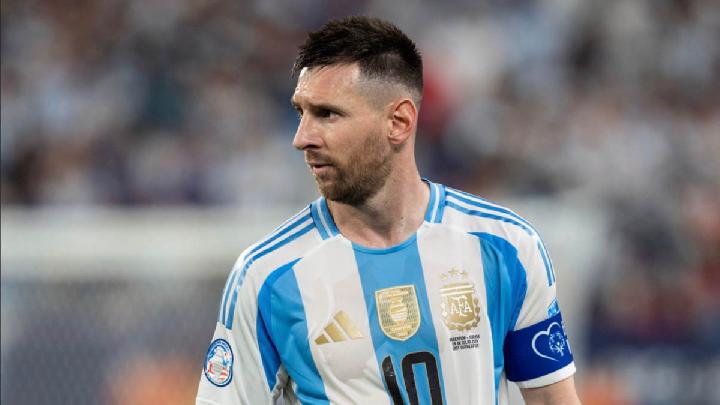
The striker's importance to Norway has often been compared to Lionel Messi's role for Argentina and Diego Maradona's impact on previous generations of the national team.
However, England also possess their own match-winners. Kane's finishing ability, Bellingham's creativity, Saka's movement, and Gordon's pace give Tuchel multiple attacking options capable of troubling Norway's defense.
Norway can also rely on Nyland's long passing ability to launch attacks quickly and bring Haaland into dangerous positions.
Ultimately, the quarterfinal could be decided by which side can maximize its biggest strengths. If England can limit Haaland while allowing their attacking stars to shine, they have a strong chance of reaching the semifinals.
But if Haaland finds space and receives quality service, Norway will remain a major threat until the final whistle.
Read: Why the World Cup Can Be Good for Your Mental Health
Click here to get the latest news updates from Tempo on Google News