November 18, 2025 | 05:51 pm
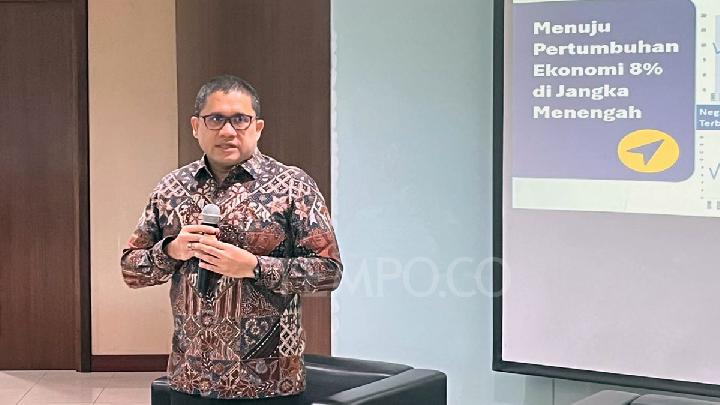
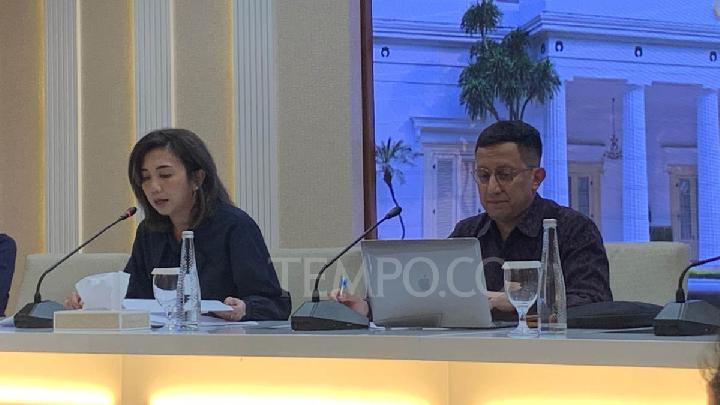
TEMPO.CO, Jakarta - Director General of Strategy for Economic and Fiscal at the Ministry of Finance, Febrio Kacaribu, announced that the collection of carbon tax is not a priority for inclusion in Indonesia's 2026 revenue and expenditure budget (APBN). The government will instead prioritize the global carbon trading instrument.
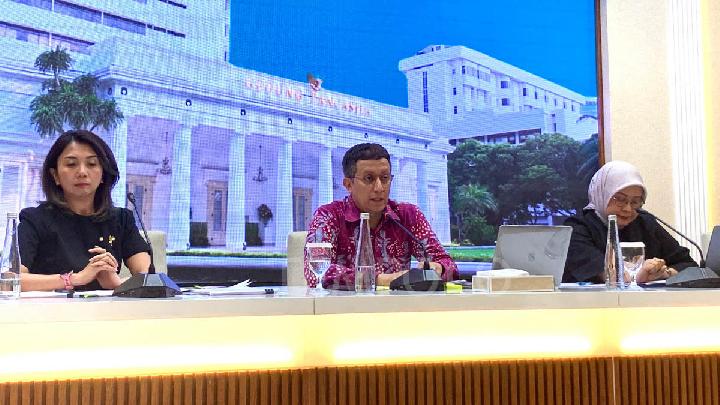
Febrio stated that the government still prioritizes the economic growth target for the following year. "(Carbon tax) is not a priority. We focus on expenditures, economic growth," he said after a meeting with the House of Commission XI (DPR) at Senayan, Jakarta, on Monday, November 17, 2025.
In addition, according to Febrio, the Nationally Determined Contribution (NDC), the national target for reducing greenhouse gas emissions has already exceeded commitments. Therefore, the government will prioritize the carbon trading instrument. "It has been conveyed that our NDC achievement has exceeded commitments. So now, our focus is to sell the carbon credits globally," said Febrio.
Carbon trading is the trading of carbon credits, where the buyer generates carbon emissions that exceed the set limit. The carbon credits sold generally come from green projects. Verification institutions calculate the carbon absorption capacity of forest land for specific projects and issue carbon credits in the form of certificates.
Meanwhile, a carbon tax is a tax imposed on carbon emissions that harm the environment. It is levied on fossil fuels, such as gasoline, jet fuel, and natural gas. The tax aims to support the reduction of carbon emissions while increasing state revenue.
In the meeting with the House of Commission XI, Febrio outlined a series of challenges to implementing the carbon tax. One of these challenges is ensuring that Indonesia's emission reduction goals align with the enhanced NDC target. Furthermore, synchronizing cross-sector policies and creating a roadmap for carbon trading policies is necessary, including carbon markets at the national and global levels. It will be regulated in a joint ministerial regulation.
The government is also considering the negative impact that the carbon tax could have on the macroeconomy. The risk of higher energy costs, including the basic cost of electricity supply (BPP) and fossil fuels, can put pressure on subsidies and compensation from the APBN. Also, the unpreparedness of the electricity and industry sectors could potentially increase the burden on the people.
Energy observer from Gadjah Mada University (UGM), Fahmy Radhi, said that if Finance Minister Purbaya Yudhi Sadewa does not implement carbon tax, it will repeat what Sri Mulyani did during her tenure as minister. During Sri Mulyani's tenure, the implementation of the carbon tax was repeatedly postponed.
Fahmy stated that the carbon tax will positively impact state revenue and help achieve the goal of reducing carbon emissions to net zero by 2060. He said the government could increase revenue from the carbon tax on private companies and state-owned enterprises (SOEs) that produce emissions.
According to him, some private companies that could be billed for carbon tax, or SOEs like PT PLN, which still have several power plants using coal. "So, in addition to increasing revenue, carbon tax also encourages SOEs as well as private companies to reduce carbon, so that the target of achieving net zero emissions by 2060 can be accomplished," he said to Tempo on Monday, November 17, 2025.
Editor's Choice: At COP30, Indonesia Pitches Fair Carbon Market as Key to Green Transition
Click here to get the latest news updates from Tempo on Google News
AGO Raids Homes of Tax Officials; Tax DG Comments
1 jam lalu

The Directorate General of Taxes has responded to the recent raids conducted by AGO on the homes and offices of several tax officials.
So Many Climate Numbers. What Do They All Mean?
2 jam lalu
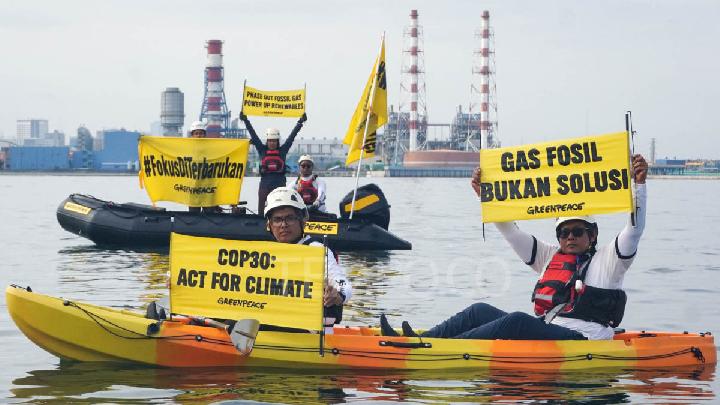
Even "numbers people" can be confused by the array of digits used to describe climate progress and failings. Here's what they really mean.
Sugar-Sweetened Beverage Tax in ASEAN: When Will Indonesia Join?
21 jam lalu

The seven ASEAN countries with an SSB tax are Cambodia, Laos, Brunei, Thailand, the Philippines, Malaysia, and Timor Leste.
Japan Plans to Triple Its Tourist Departure Tax
21 jam lalu

The increase is intended to fund measures to address issues arising from the surge in foreign tourism in Japan.
Indonesia Delays Plans for Diaper, Wet Wipe Taxes Until Economy Stabilizes
3 hari lalu
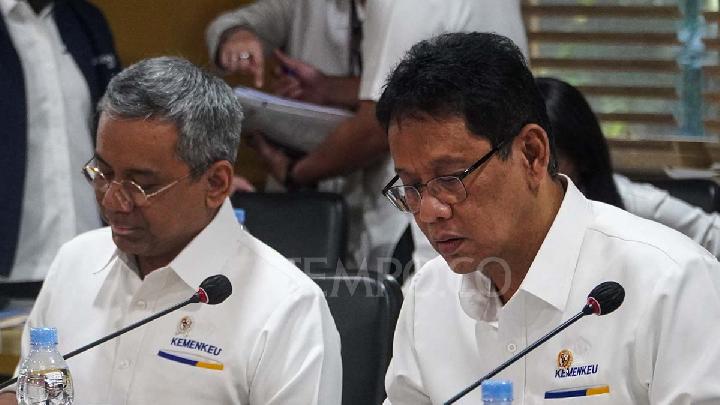
Purbaya, said that new taxes, including any on diapers and wet wipes, would only be considered once the national economy grows by 6 percent or more.
European Parliament Backs Diluted 2040 Climate Targets
4 hari lalu

Lawmakers approved slightly weaker EU carbon targets for 2040; a contentious corporate supply chain vote passed with populist support.
Fossil Fuel Emissions to Hit New Record in 2025: Study
5 hari lalu

The Global Carbon Budget report looks at CO2 emissions and relates the figures to the thresholds set out in the 2015 Paris Agreement.
At COP30, Indonesia Pitches Fair Carbon Market as Key to Green Transition
5 hari lalu
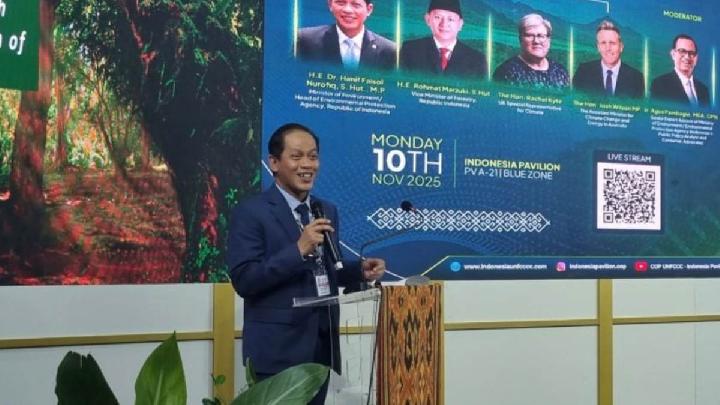
The Indonesian government is determined to make carbon governance a key to ensuring a fair and inclusive green economic transition.
Indonesia Opens to Global Collaboration on Carbon Market Growth
6 hari lalu
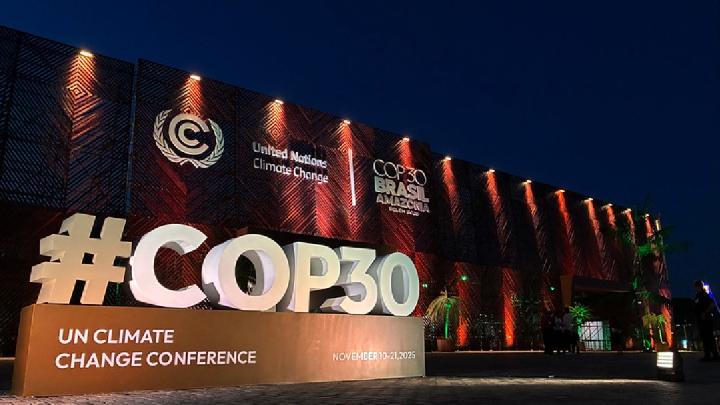
Indonesia is currently strengthening its national carbon market architecture by issuing Government Regulation No. 110 of 2025.
From the Amazon Metaphor to Hope for a 'COP of Truth' at COP30
7 hari lalu
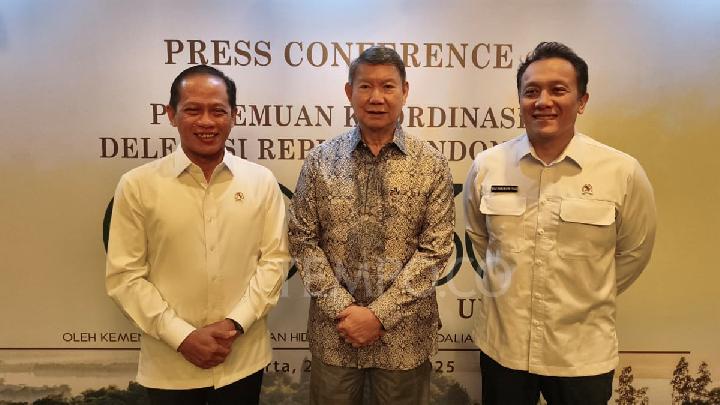
The COP30, held in Belem, opened on Monday, 10 November 2025, marking a new milestone in the world's journey to confront the global climate crisis.