TEMPO.CO, Jakarta - Israeli Prime Minister Benjamin Netanyahu has accepted the invitation from President Donald Trump to join the Gaza Board of Peace, an initiative aimed at managing the future of post-war Gaza.
According to a report by Al Jazeera, Netanyahu's office announced the acceptance of the invitation through social media on Wednesday, January 21, 2026. This decision was made even though the International Criminal Court (ICC) has issued an arrest warrant for Netanyahu for alleged war crimes against Palestinian civilians in Gaza.
The Board of Peace was introduced as part of the second phase of the ceasefire agreement between Israel and Hamas to end the war in Gaza. According to Trump, the board is designed to oversee "governance capacity-building, regional relations, reconstruction, investment attraction, large-scale funding, and capital mobilization" in the region.
Netanyahu's involvement has raised concerns about the objectivity of the Gaza Board of Peace. The board is directly led by Trump, with members entirely under his control.
Netanyahu's office had previously criticized the composition of the executive committee, which includes Turkey, seen as a regional rival to Israel. Netanyahu's office stated that the committee was not coordinated with the Israeli government and contradicts its policies.
Other Invited Figures
Netanyahu is not the only figure invited despite facing the ICC. Russian President Vladimir Putin has also received an invitation to join the board, despite being charged for Russia's nearly four-year war in Ukraine.
The Kremlin stated that it is still trying to clarify the offer with Washington. Belarus President Alexander Lukashenko, a close ally of Putin, has also been reported to have received a similar invitation.
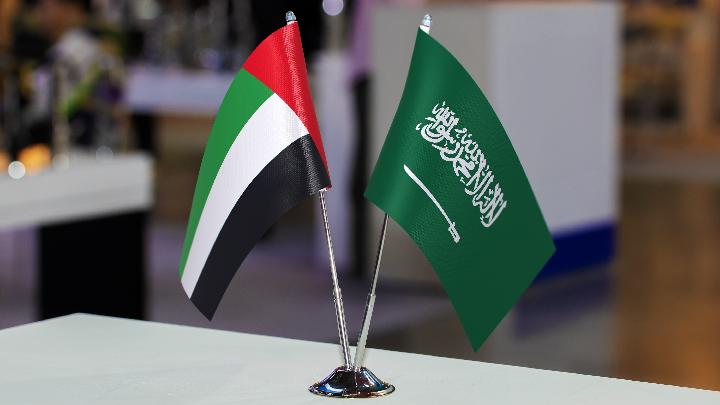
Other members include the United Arab Emirates, Morocco, Vietnam, Belarus, Hungary, Kazakhstan, and Argentina. The United Kingdom and the executive body of the European Union have stated that they have received the invitation but have not yet made a decision.
Meanwhile, the executive committee of the board includes U.S. Secretary of State Marco Rubio, Trump's envoy Steve Witkoff, Jared Kushner, former British Prime Minister Tony Blair, Apollo Global Management CEO Marc Rowan, World Bank President Ajay Banga, and U.S. Deputy National Security Advisor Robert Gabriel.
According to a report by Middle East Eye, Trump plans to formally launch the board at the World Economic Forum in Davos, Switzerland, on Thursday.
However, the internationalization plan for Gaza through this board has sparked concerns in Israel. Israeli Finance Minister Bezalel Smotrich criticized the initiative, urging Israel to take unilateral responsibility for Gaza's future.
Aaron David Miller, a former U.S. State Department negotiator, told MEE that, in addition to Trump's favoritism in bringing corporate positions into diplomacy, the peace board is a distraction from the hard work of strengthening the fragile ceasefire in Gaza.
"This is a misplaced solution to a problem we don’t have," Miller told MEE. "The Board of Peace is not going to move Gaza from Phase 1 to Phase 2."
"In Gaza, you need Trump to exercise his leverage over Israel and the Qataris, Turks and Egyptians to exercise their influence over Hamas," he said.
Miller said that Trump's tendency to bring new international players into Gaza would mark a setback for Netanyahu.
"If you could internationalise Gaza, why not internationalise the occupied West Bank?" he said. "That’s the last thing Netanyahu wants."
Filled with Jewish Camp
Marwa Maziad, an expert in Middle East and security at the University of Maryland, told Middle East Eye that Trump clearly envisioned the devastated region as one of the first "franchises" of the board.
"He wants to take this board concept to Gaza, then Venezuela and Ukraine. He is going to go around to different countries and tell them to join the board or face war and conflict," Maziad said.
Maziad said Trump was also "spreading wealth" in his Gaza board.
Trump included Yakir Gabay, a Cypriot-Israeli tycoon close to Kushner. Similarly, a senior official from the UAE, the Arab country closest to Israel.
However, Israeli Prime Minister Benjamin Netanyahu rejected the inclusion of two senior officials from Turkey and Qatar in the board: Qatari diplomat Ali al-Thawadi and Turkish Foreign Minister Hakan Fidan.
"We have a certain disagreement with our friends in the United States regarding the composition of the advisory council," Netanyahu's office said on Monday. "The Prime Minister has instructed the foreign affairs minister to contact the US secretary of state on this matter."
Qatar hosted Hamas leadership at the request of the U.S., and Erdogan has praised Hamas members as "freedom fighters." In the broader region, both Fidan and Thawadi have been at the forefront of thwarting some key power maneuvers by Netanyahu.
Fidan is a former head of Turkish intelligence who was friendly and played a key role in rehabilitating Syrian President Ahmed al-Sharaa, where Netanyahu sought to gain influence.
Thawadi is a tough Qatari diplomat who helped mediate the Gaza ceasefire. He was photographed calmly sitting in the White House when Netanyahu was forced to call the Emir of Qatar in September to apologize for attacks on Hamas negotiators in Doha.
Read: PM Mark Carney: Netanyahu Will Be Arrested If He Visits Canada
Click here to get the latest news updates from Tempo on Google News