TEMPO.CO, Jakarta - The United States (US) and Israel's attack on Iran on February 28, 2026, has severely damaged various public facilities in Iran, claiming thousands of lives and the death of Iran's Supreme Leader Ayatollah Ali Khamenei. In retaliation, Iran launched attacks on several US military facilities in the Brat Asian (Middle Eastern) countries and restricted passage through the Strait of Hormuz.
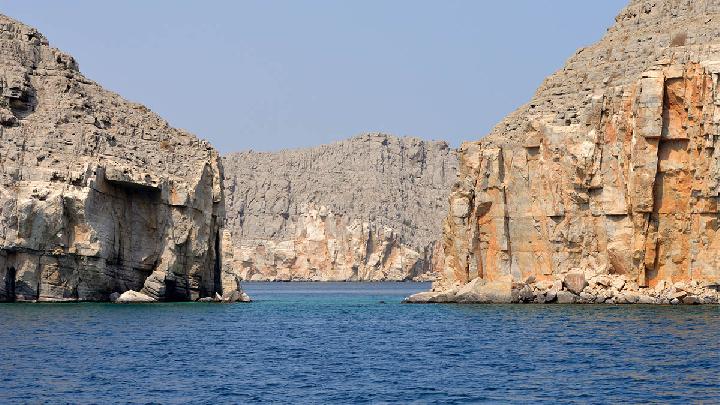
The escalation of tension around Iran has also led to a de facto blockade of the Strait of Hormuz, which is a major route for oil and liquefied natural gas shipments from the Persian Gulf countries to the global market.
This blockade has affected the level of oil export and production in the region. As a result, fuel prices have increased in most countries around the world.
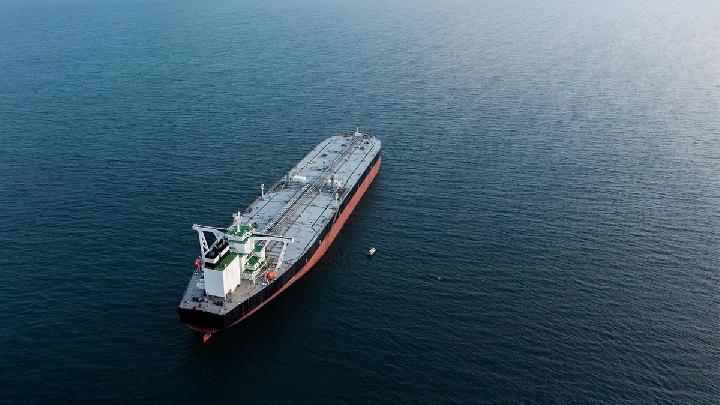
Following the restrictions, approximately 1,900 commercial ships have been detained in the Strait of Hormuz region, especially in the Persian Gulf, since the US and Israel's operations against Iran on February 28, 2026,
Since the start of the attacks, Tehran has effectively closed the strategic waterway to ships affiliated with the US and Israel, halting maritime traffic in the strait.
Ships in the region preparing to cross the strait have been unable to proceed due to military tensions, with most detained ships dropping anchor in open waters.
Meanwhile, Tehran stated that ships from countries other than the US and Israel can still pass through the Strait of Hormuz as long as they are not involved in or supportive of aggression against Iran, and fully comply with safety and security regulations.
Here is a list of countries whose ships have been allowed by Iran to pass through the Strait of Hormuz, as reported by various sources such as Antara on Sunday, March 29, 2026.
- Russia, China, India, Pakistan, and Iraq
Iran has allowed ships from several friendly countries, including Russia, to pass through the Strait of Hormuz.
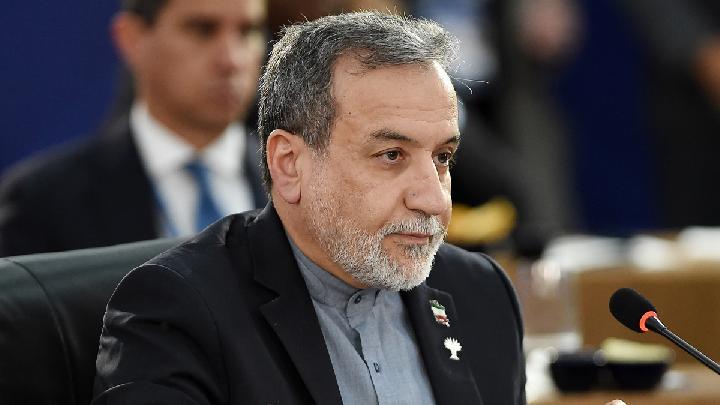
"We have allowed passage through the Strait of Hormuz for China, Russia, India, Pakistan, and Iraq, as well as other states we consider friendly, to pass through the Strait of Hormuz," said Iranian Foreign Minister Abbas Araghchi as quoted by Lebanon's satellite television channel, Al Mayadeen, cited by the Russian news agency, Sputnik/RIA Novosti, on March 26, 2026.
Araghchi added that Tehran has no reason to allow "enemy ships" to pass through the Strait of Hormuz.
- Malaysia
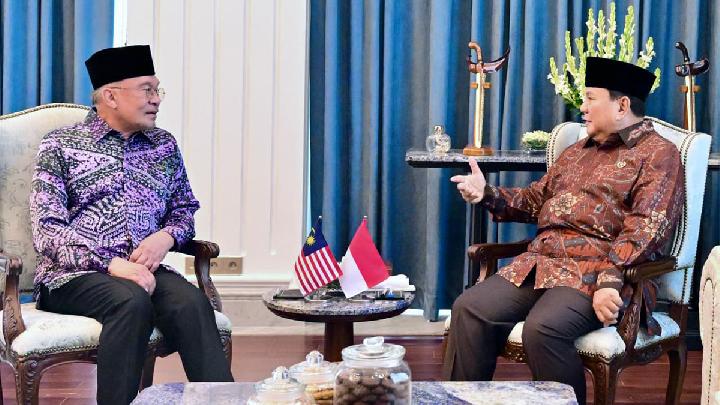
In addition to the above-mentioned friendly countries, Malaysian Prime Minister Anwar Ibrahim stated that Malaysian oil tanker ships will also be allowed to pass through the Strait of Hormuz, according to a report by the Anadolu news agency on March 27, 2026.
With the permission for passage, Anwar Ibrahim expressed gratitude to Iranian President Masoud Pezeshkian, as reported by the Malaysian news agency, Bernama, cited by the Anadolu, on March 27, 2026.
"Now we are in the process of releasing the Malaysian oil tankers and the workers involved so that they can continue their journey home," Anwar said in a televised speech on Thursday.
"However, it is not easy as Iran believes it has been deceived repeatedly and finds it difficult to accept moves towards peace without binding agreements and security guarantees for the country," he added.
- Thailand
According to the Malaysian news agency Bernama on March 24, Thailand has obtained permission from Iran for one of its oil tanker ships to pass through the Strait of Hormuz after bilateral coordination.
Thai Foreign Minister Sihasak Phuangketkeow said the Foreign Ministry had submitted the names of two ships, one belonging to Bangchak Corporation and another operated by SCG Chemicals, to Iranian authorities.
He said Iran had granted permission for the Bangchak oil tanker to pass through the Strait of Hormuz and return to Thailand.
"It was learned on March 23 that the Bangchak vessel had safely passed through the Strait of Hormuz and is now en route back to Thailand," he told reporters at a press conference on Tuesday.
- Bangladesh
According to a report by the Anadolu news agency on March 26, Iran has allowed an oil tanker heading to Bangladesh, along with several other countries considered "friendly" or "non-hostile," to pass through the Strait of Hormuz despite the ongoing regional tensions disrupting global shipping.
A senior Foreign Ministry official told Anadolu that the oil tanker heading to Bangladesh had been allowed to pass through the Hormuz.
Another ministry official said that there was no "official communication from Iran" specifically granting access, but clarified that Bangladesh's ships were "not subject to any restrictions."
- Iran's Positive Response to Indonesia's Request for Passage of Ships through the Strait of Hormuz
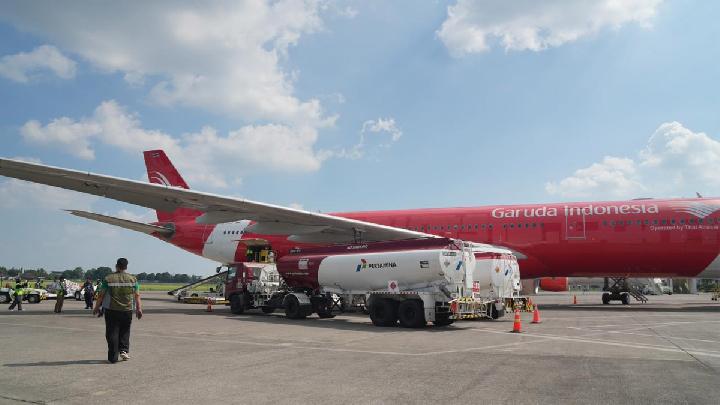
The Indonesian Foreign Ministry (Kemlu) has confirmed that the Iranian government has responded positively to Indonesia's request for two Pertamina oil tankers still detained in the Strait of Hormuz to pass safely.
According to the Spokesperson for the Indonesian Foreign Ministry Vahd Nabyl A. Mulachela, together with the Indonesian Embassy in Tehran, they have been intensively coordinating with all relevant parties in Iran for the safety of the oil tankers.
"In its development, there has been a positive response from Iran," Nabyl responded to questions from ANTARA regarding the negotiations of Pertamina oil tankers, in Jakarta, Friday.
Following Tehran's positive response, follow-up measures have been taken by the relevant parties on technical and operational aspects, although there is no definite time yet as to when the oil tankers can leave the Strait of Hormuz.
- Tehran Ready to Facilitate Japanese Ship Navigation in the Strait of Hormuz
Iran's Foreign Minister Abbas Araghchi said Tehran is ready to facilitate the navigation of Japanese ships through the Strait of Hormuz, which is a major route for global energy shipment.
According to the Japanese news agency, Kyodo News, on March 21, 2026, Abbas mentioned ongoing negotiations with Japan on this matter,
"We have not closed the strait. It is open," Araghchi said in a phone interview with Kyodo News on Friday.
He also emphasized that Iran, which was attacked by the United States and Israel at the end of February, is seeking "not a cease-fire, but a complete, comprehensive and lasting end to the war."
Araghchi said Iran has not closed the strategic waterway, but has imposed restrictions on ships belonging to countries involved in the attacks on Iran, while offering assistance to other countries amid increasing security concerns.
He added that Iran is ready to ensure a safe passage for countries like Japan if they coordinate with Tehran.
Read: Trump Calls Hormuz Waterway 'Strait of Trump'
Click here to get the latest news updates from Tempo on Google News