November 13, 2025 | 11:11 pm

TEMPO.CO, Jakarta - Members of the European Parliament on Thursday approved plans to slightly reduce the bloc's 2040 greenhouse gas emissions targets and to alter rules aiming to make large companies address the human rights and environmental impacts of their supply chains.
While the votes passed with comfortable majorities, one was contentious as it involved the center-right EPP bloc in parliament allying with populist right-wing factions to push the changes through.
What’s Changed in the Bloc’s Emissions Targets?
The plan to reduce net greenhouse gas emissions by 90% compared to 1990 levels by 2040 now allows EU member states to outsource 5% of that target to countries outside the bloc via so-called carbon credits. These involve paying third parties for their reduction of harmful emissions rather than reducing them in-house.
Scientific advisers to the EU had said reductions of 90% without offsets were necessary to limit global warming to 1.5 degrees Celsius compared to nominal pre-industrial levels, the non-binding global goal voiced in the Paris Agreement of 2015 that various reports now warn will soon be exceeded.
The hard-fought compromise is still more ambitious than the stated targets of other major economic powers like China or the US.
The adjusted target passed with a majority of 379 in favor, 248 against and 10 abstentions. Lawmakers also rejected a proposal from the far-right bloc Patriots for Europe calling for the goal to be scrapped entirely.
The parliament supported delaying the inclusion of fuels like natural gas and petroleum in the EU's trading system by one year until 2028, in an effort to limit increases in heating and fuel prices.
The environment ministers of the 27 member states already backed the tweaked targets last week, narrowly avoiding heading to the global COP30 climate summit currently taking place in Brazil empty handed.
What’s Changed in the Corporate Sustainability Plans for Big Business?
Thursday's more contentious vote was on softening the provisions of the EU's environmental and human rights rules for big business.
Known as the Corporate Sustainability Due Diligence Directive (CSDDD), and hailed as groundbreaking when first agreed, it calls on large companies to address the "adverse human rights and environmental impacts" of their supply chains worldwide.
Perhaps the biggest change was on the qualifying criteria. Companies will now need at least 5,000 employees, rather than 1,000, and an annual turnover of at least €1.5 billion (roughly $1.7 billion) to be subject to the directive.
The proposal also moves to do away with harmonized European penalties for those in breach, instead referring to national legislation.
Far-Right Backing Needed for CSDDD Changes
The CSDDD changes passed with a comfortable majority, 382 for and 248 against, but, contentiously, they required the support of the right-wing populist bloc known as Patriots for Europe (PfE).
This followed an impasse between more centrist and center-right groups in parliament, seeking to dilute the plans in a bid to help European industry amid pressure from US sanctions and other factors, and more center-left and environmentalist groups that wanted to retain the plans as they were.
Rene Repasi, a German MEP from the center-left Socialist & Democrats (S&D) bloc accused the center-right European People's Party, the largest bloc in parliament, of having "torpedoed any middle-ground compromise."
"The conservatives marched ahead with a red pen — striking away the firewall and redrawing their self-made majority together with the anti-democratic forces on the fringes," Repasi said after the vote.
Jorgen Warborn, an EPP lawmaker who sponsored the revisions, said the changes would bring greater "predictability" and boost competitiveness for companies while still keeping "Europe's green transition on track."
Patriots for Europe, meanwhile, celebrated their rare involvement in proposed legislation that actually cleared the European Parliament.
"A major victory for workers, farmers and industry," the group wrote online. "Today, Patriots for Europe broke the old coalition's deadlock and opened the path to replace the Green Deal straitjacked with a competitiveness-driven agenda. We proved that another majority — and another policy for Europe — is possible. This is only the beginning."
Thursday's changes still represented tougher standards than many major players had advocated. Both German Chancellor Friedrich Merz and French President Emmanuel Macron had floated the idea of scrapping the plans altogether. Gas importers to Europe like the US and Qatar had warned that the legislation could threaten future energy imports.
Editor's Choice: Fossil Fuel Emissions to Hit New Record in 2025: Study
Click here to get the latest news updates from Tempo on Google News
EU Launches Google Probe Over News Site Suppression Claim
1 jam lalu

US tech giant Google is once again under fire in the EU over allegations that it is suppressing news sites in its search results.
North Sumatra to Process 2,000 Tons of Waste into Electricity Starting 2026
4 jam lalu
Construction of the Waste-to-Energy Project (PSEL) in North Sumatra Province will begin in 2026.
Government Projects Indonesia's Electricity Output to Reach 354 TWh in 2025
4 jam lalu
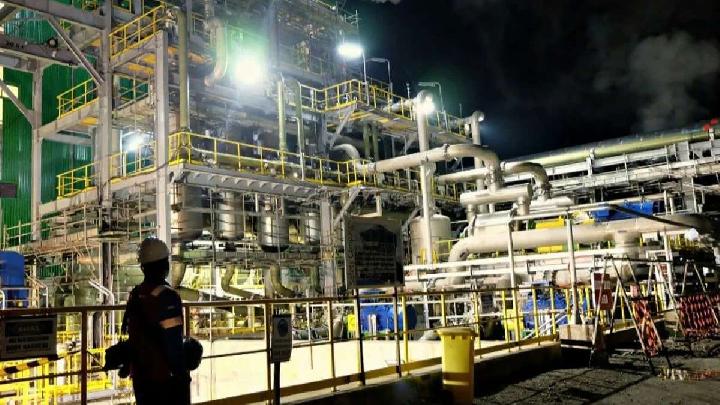
The Ministry of Energy and Mineral Resources stated that electricity production from renewable energy sources is showing a positive growth trend.
Fossil Fuel Emissions to Hit New Record in 2025: Study
6 jam lalu

The Global Carbon Budget report looks at CO2 emissions and relates the figures to the thresholds set out in the 2015 Paris Agreement.
Government Discloses Indonesia's Latest Oil and Gas Reserves
9 jam lalu
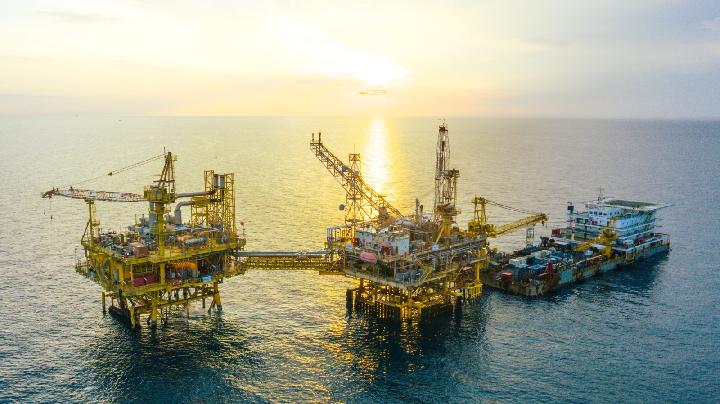
The Ministry of Energy and Mineral Resources reported the latest data on Indonesia's oil, condensate, and natural gas reserves in 2025.
From Rio to Belem: The Long Unravelling of Climate Consensus
16 jam lalu

The 30th Conference of Parties to UN Framework Convention on Climate Change (UNFCCC), known as Conference of Parties (COP30), started in Belem, Brazil
Indonesia Opens to Global Collaboration on Carbon Market Growth
1 hari lalu
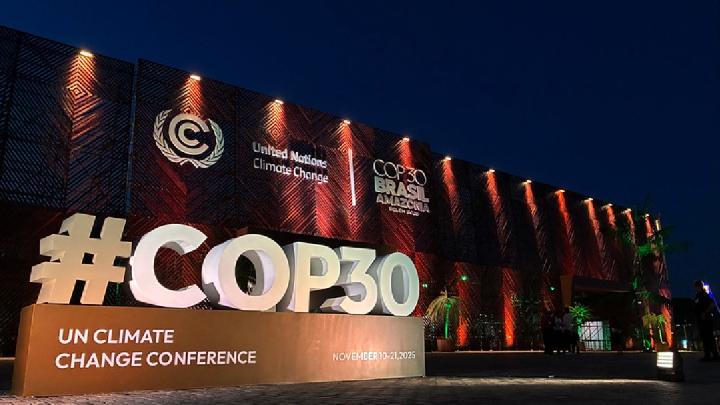
Indonesia is currently strengthening its national carbon market architecture by issuing Government Regulation No. 110 of 2025.
Protesters Breach COP30 Venue, Confront Security in Heated Clashes
1 hari lalu
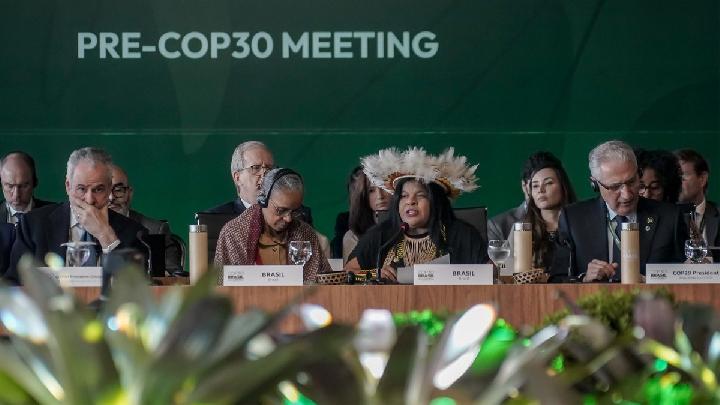
On Tuesday night, dozens of indigenous protesters stormed the COP30 climate conference venue in Brazil, demanding action on forest protection.
Indonesia Channels Rp4.3 Trillion to Expand Rural Electrification
2 hari lalu
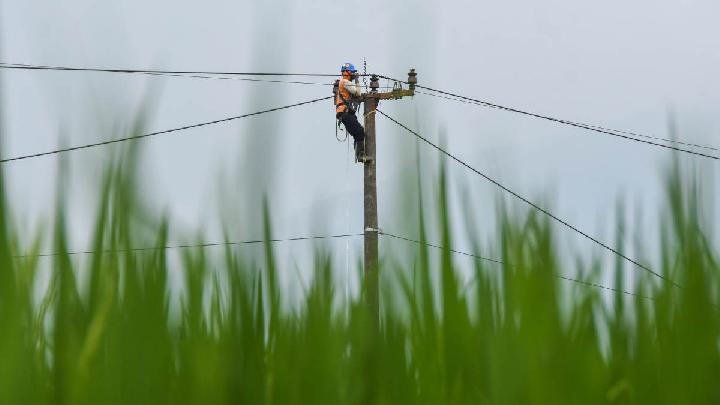
Energy Minister Bahlil explained that the budget is part of the additional ministry budget of Rp6.28 trillion received in August 2025.
From the Amazon Metaphor to Hope for a 'COP of Truth' at COP30
2 hari lalu
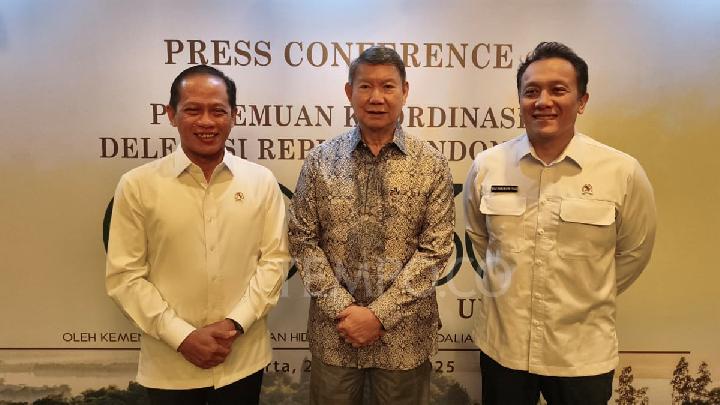
The COP30, held in Belem, opened on Monday, 10 November 2025, marking a new milestone in the world's journey to confront the global climate crisis.