January 8, 2026 | 06:22 pm
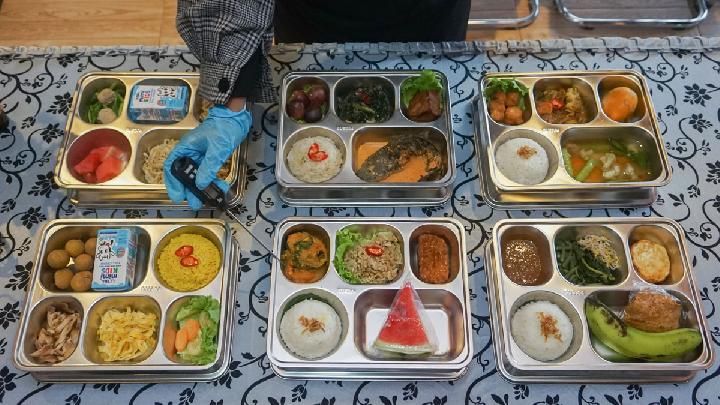
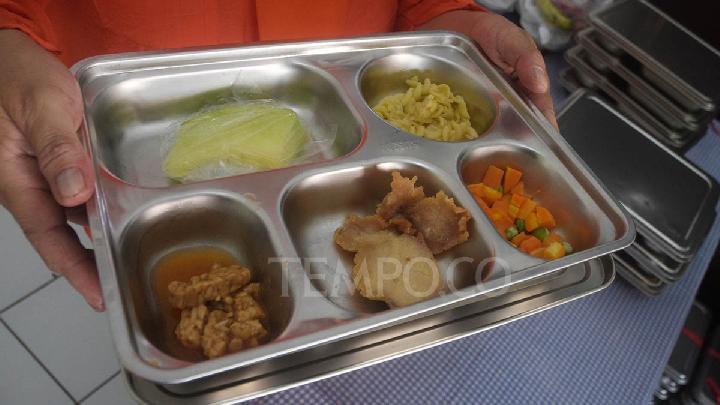
TEMPO.CO, Jakarta – A study conducted by Ubaid Matraji, National Coordinator of the Indonesian Education Monitoring Network (JPPI), suggests that Indonesia’s free nutritious meal program for schoolchildren, known locally as MBG, may not be improving academic outcomes.
In fact, the study indicates a decline in student performance since the program’s implementation.
Ubaid compared student results from the 2019 national exam (UN) with the 2025 Academic Ability Test (TKA), focusing on three core subjects: English, Indonesian language, and mathematics. The findings revealed that average scores in all three subjects were higher in 2019 than in 2025.
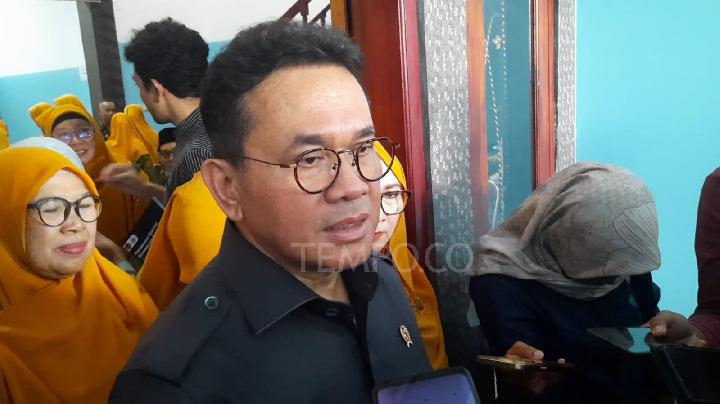
“This data blatantly exposes the failure of the state. The MBG program does not make students smarter; on the contrary,” Ubaid said during a public discussion titled “1 Year of MBG: Cronies’ Profit, Children Poisoned” at the ICW Office in Kalibata, South Jakarta, on Thursday, January 8, 2026.
JPPI data shows that the average English score dropped from 54.6 in UN 2019 to 24.9 in TKA 2025. Indonesian language scores fell from 67.8 to 55.3, and mathematics scores declined from 39.2 to 36.1 over the same period.
Ubaid argued that the results indicate systemic problems in Indonesia’s education system rather than issues of student hunger.
“The government chooses to feed students’ bodies while allowing classrooms without quality teachers, curricula without direction, and learning without purpose,” he said.
He also criticized the MBG program as a political shortcut to cover up failures in educational reform, pointing out that hundreds of trillions of rupiah have been allocated to the program without any improvement in core academic indicators.
“If this continues, Indonesia risks producing children who are biologically full but intellectually underdeveloped,” Ubaid warned.
He cautioned that future students may be able to eat for free but will struggle to read critically, calculate logically, or compete globally.
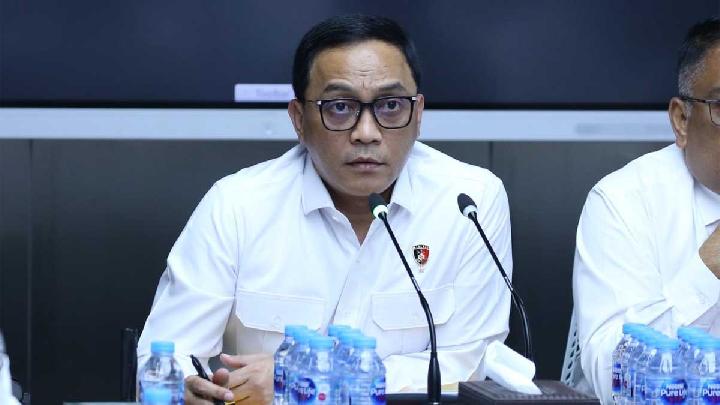
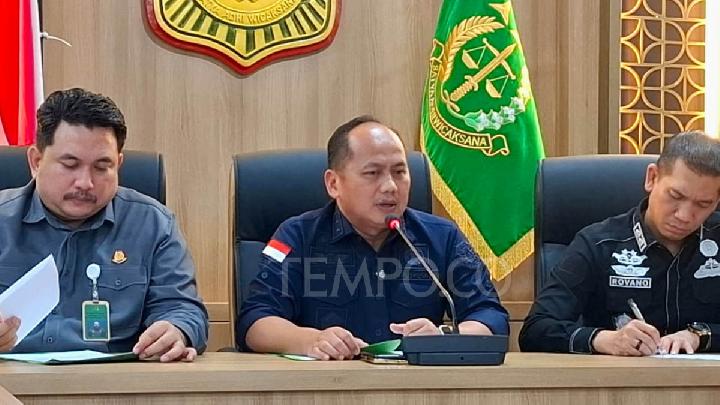
Separately, the Head of the National Nutrition Agency, Dadan Hindayana, said the agency welcomes feedback and will continue improving the program in 2026.
“We aim to reach 82.9 million beneficiaries. Alongside this, we will implement accreditation certification to categorize nutrition fulfillment service units (SPPGs) by service quality,” he said during a press conference on January 8, 2026.
Read: BGN Responds to Milk Scarcity Linked to Free Meal Program
Click here to get the latest news updates from Tempo on Google News
JPPI: Indonesia's MBG Food Poisoning Cases Reach 16,109 as of October 31
4 November 2025
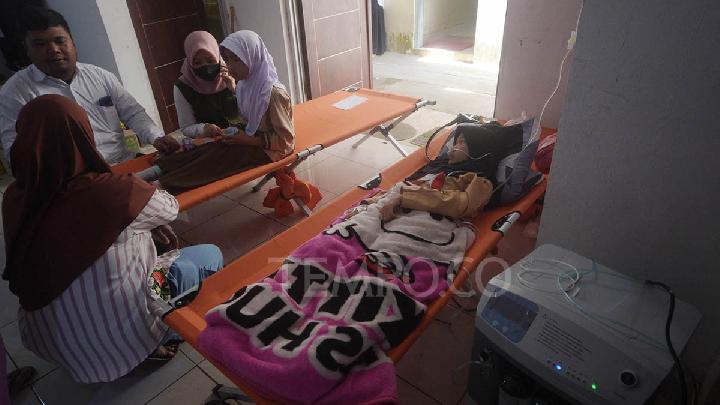
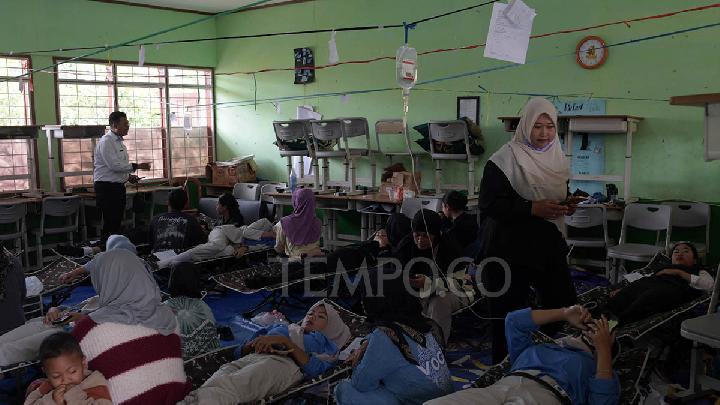
According to JPPI, the number of poisoning victims has surged in recent months, from 2,226 cases in August to 6,052 in September and 6,823 in October.
JPPI: One Year Under Prabowo-Gibran, Millions of Children Still Out of School
20 Oktober 2025

Programs such as the Free Nutritious Meals initiative, JPPI said, have diverted funds that should have been used to expand education access.
Indonesia's Free Meal Poisoning Exceeds 10,000 Cases, Reports JPPI
5 Oktober 2025
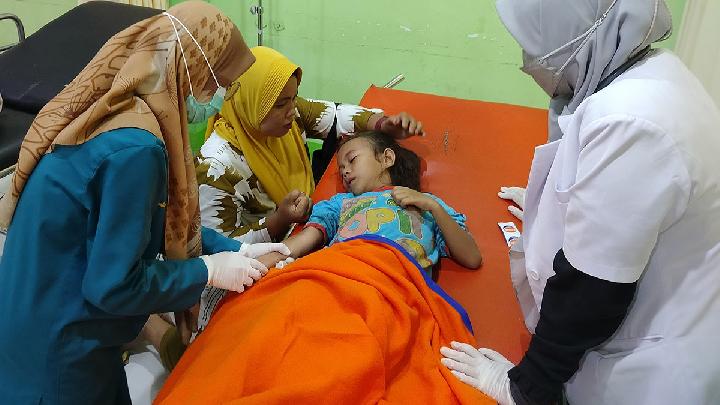
As of Saturday, October 4, 2025, JPPI recorded a total of 10,482 poisoning cases from the government's free meal program.
8,000+ Indonesian Children Sickened: JPPI Urges Free Meal Kitchen Evaluation
29 September 2025
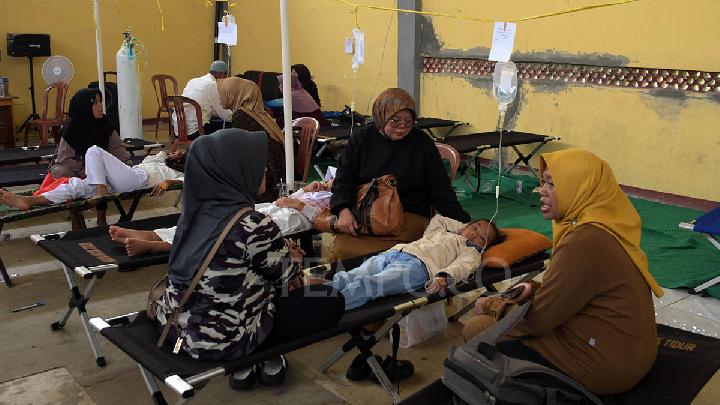
The number of children affected by food poisoning linked to the Free Nutritious Meal (MBG) program has continued to soar.
Presidential Staff Office: 5,000 People Poisoned by Free Nutritious Meals
23 September 2025
The Presidential Staff Office noted that 3 state institutions have different data on the number of people poisoned by the free nutritious meal program
Palace Awaits Prabowo's Order on Free Public and Private Schooling
28 Mei 2025

The Constitutional Court granted a judicial review filed by the JPPI, which demanded free schooling for both public and private schools.