A month after the former Religious Affairs Minister became a suspect, the investigation into the haj corruption shows no progress. The network stands exposed.
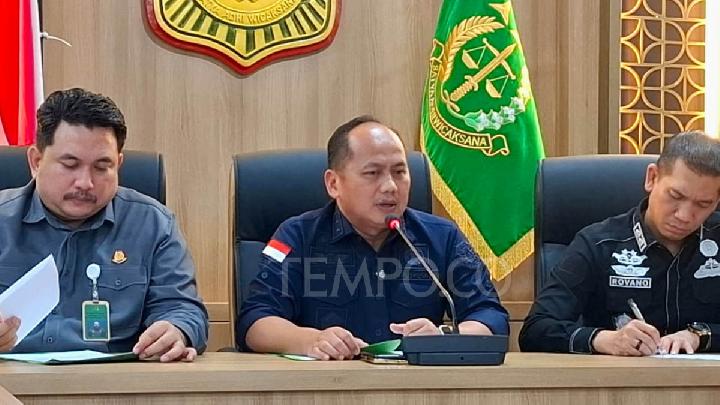
THE Corruption Eradication Commission (KPK) has not yet taken any further action after naming Yaqut Cholil Qoumas a suspect in the 2024 haj corruption case. This is despite the fact that the commission has said it has evidence of the involvement of other people.
Yaqut, Religious Affairs Minister from 2020 to 2024, along with a member of his special staff, Ishfah Abidal Aziz, became suspects last month. The KPK has said they cost the state more than Rp1 trillion in determining the special Haj quota. Investigators also uncovered the involvement of the owner of a haj travel agency and intermediaries linking policy makers with business interests.
Fuad Hasan Masyhur has also been embroiled in the case. The owner of Makassar Toraja Tour & Travel (Maktour), has repeatedly been questioned as a witness. Most recently, the Golkar Party politician was questioned for almost 10 hours. Also implicated is senior Nahdlatul Ulama figure Aizzudin Abdurrahman, who is alleged to have received funds in exchange for putting businesspeople in touch with the religious affairs ministry.
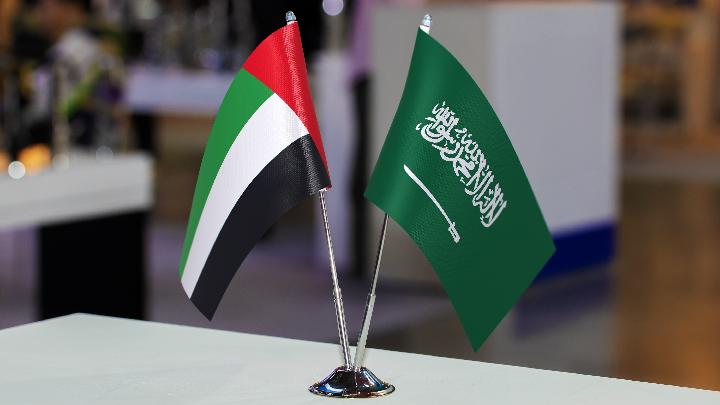
If these allegations are proven, this case shows that discretion over policy can be misused as a transactional instrument. It began when Saudi Arabia added another 20,000 pilgrims to Indonesia’s haj quota. This addition could have been used to shorten the long waiting list for the regular haj applicants, some who have been waiting for years.
The Haj Law clearly specifies how this should have been allocated: 92 percent of the additional quota should be designated for the regular haj. But through Religious Affairs Minister Decision No. 130/2024, the allocation was changed. The quota would now be evenly split, with half for the regular haj and half for the special haj.
It is this scheme that allegedly opened the door to buying and selling. The organizers of the special haj were told they would have to pay fees to obtain an additional quota. Even a “new service” was started: T0 pilgrims, meaning people who registered that could immediately depart for Mecca. This fast track was very expensive.
According to investigators, the fraud extended over many levels. Money moved from special haj organizers to ministerial special staff, then to structural officials. The amounts are believed to have continuously increased. The KPK claimed that they could have reached the ministerial level. But only the two men have been named as suspects.
Fuad Hasan reportedly had been active in pushing for the additional special haj quota to be evenly divided. He also allegedly had persistently asked for an additional quota from Ministry of Religious Affairs officials—even before Saudi Arabia had officially announced the addition of 20,000 pilgrims for the 2024 haj. When the quota was finally granted, thousands of special haj seats were allocated to hundreds of organizers, including those affiliated with Fuad.
Something strange was apparent from the way these were distributed. From the additional quota, around 70 percent of pilgrims were recorded as having T0 status. They registered and left in the same year. This data strengthened suspicions that the distribution of the additional haj quota was not impartial. Fuad is believed to have received a significant portion, which was then passed onto special haj organizers in his network.
There is an irony in this case. The haj waiting list represents the combined savings of many people as well as a symbol of hope and prayers of millions of people. Ministry of Religious Affairs officials are illegally making a profit from them. The KPK needs to act immediately against those involved.