TEMPO.CO, Jakarta - Caritas Indonesia, a Catholic humanitarian organization and the official social service arm of the Indonesian Bishops’ Conference, has issued an early warning over the heightened risk of human trafficking and unsafe migration in disaster-affected areas of Sumatra, citing the growing vulnerability of communities that have lost homes, livelihoods, family members, and official documents.
Caritas Indonesia’s Committee for Migrants, Refugees, and Anti-Human Trafficking warned that post-disaster conditions could serve as entry points for trafficking networks.
The disruption of daily life, combined with trauma and uncertainty, often creates opportunities for perpetrators who offer financial assistance, employment, relocation, or even child adoption as quick solutions for people in distress.
Testimonies from Core Response Team (CRT) staff and volunteers working alongside diocesan networks indicate that many survivors have lost not only their homes and sources of income but also critical documents such as identity cards and educational certificates.
In these circumstances, Caritas said, affected individuals may feel compelled to make risky or unconventional decisions to escape hardship, increasing their exposure to trafficking and unsafe migration.
Calls for Stronger Protection
Caritas Indonesia has urged both the government and civil society to strengthen legal protection for disaster-affected communities to prevent exploitation through predatory lending, illegal employment, unregulated child adoption, or non-procedural migration. The organization also called for stricter monitoring of evacuation sites and victims’ residences to prevent access by traffickers.
Executive Director of Caritas Indonesia, Father Fredy Rante Taruk, emphasized that addressing human trafficking and unsafe migration is a shared responsibility.
During an online press conference on January 5, 2026, he said Caritas, supported by 38 diocesan networks across Indonesia, is open to collaboration with government agencies, civil society organizations, and other stakeholders to eradicate trafficking and promote safe migration.
How Traffickers Exploit Recovery Periods
Committee member Father Chrisantus Paschalis, who also serves with the Justice and Peace Commission and the Migrant and Mobile Pastoral Commission in Batam, noted that disasters often create momentum for trafficking practices.
He said the lengthy recovery process allows perpetrators to exploit vulnerable populations by offering instant solutions without adequate safeguards, highlighting the importance of a strong state presence to protect those who have lost jobs, family members, or legal documents.
International relations practitioner and committee member Dinna Prapto Raharja outlined several tactics frequently used by traffickers, including posing as representatives of humanitarian organizations, manipulating victims’ emotions, promising jobs or protection, and discouraging victims from verifying offers with authorities.
She stressed the need for vigilance by both government institutions and civil society in monitoring population movements after disasters.
Similar concerns were raised by Sister Laurentina SDP, who said many victims often do not realize they are being manipulated.
She underscored the importance of the mass media in disseminating accurate information about the dangers of human trafficking and unsafe migration to prevent similar cases from emerging in other regions.
Reporting Mechanisms and Prevention Efforts
As part of its prevention measures, Caritas Indonesia, in coordination with diocesan networks, has established a hotline for reporting suspected cases of human trafficking and unsafe migration in disaster-affected areas of Sumatra. Reports can be submitted via WhatsApp at 0811-9996-728 or by email at [email protected].
Since hydrometeorological disasters struck Sumatra in late November 2025, Caritas Indonesia, together with the Archdiocese of Medan and the Dioceses of Sibolga and Padang, has been actively delivering humanitarian assistance.
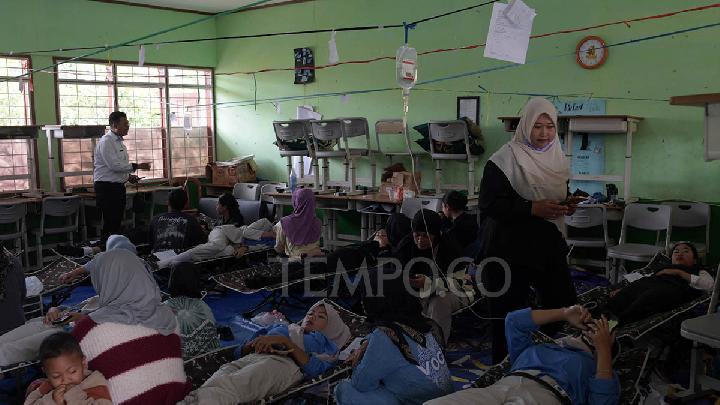
As of January 3, 2026, disasters in Aceh, North Sumatra, and West Sumatra were estimated to have affected more than 3.3 million people, forced around one million to evacuate, and claimed 1,157 lives.
Beyond monitoring efforts, Caritas Indonesia has distributed food aid, hygiene kits, and shelter materials, while also providing health services and psychosocial support to thousands of survivors.
The organization said these initiatives are crucial to strengthening community protection during recovery and closing gaps that could be exploited by human traffickers and unsafe migration networks.
Read: Sumatra Disaster Death Toll Rises to 1,178
Click here to get the latest news updates from Tempo on Google News