January 6, 2026 | 06:57 pm
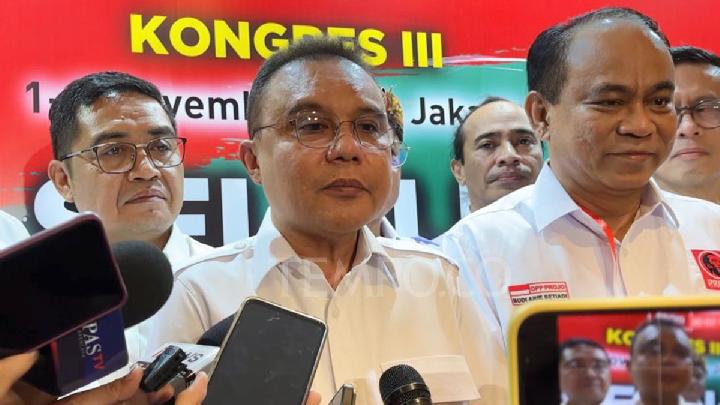
Vice Chair of Indonesia’s House of Representatives, Sufmi Dasco Ahmad, has expressed support for civil society and student efforts to challenge provisions of the Criminal Code (KUHP) before the Constitutional Court.
The Secretary General of the Gerindra Party said such actions reflect citizens’ right to review legislative products passed by the House when they feel the laws do not meet public expectations.
“Certainly, not everyone can be pleased with the existence of that law,” Dasco said on Tuesday, January 6, 2026, at the House complex.
He noted that the KUHP discussion in the House was lengthy, with multiple stages to ensure compliance with legislative procedures, including meaningful public participation.
Nevertheless, Dasco emphasized that citizens still have the right to file formal and material reviews of laws with the Constitutional Court.
“This country is based on the rule of law. If one is dissatisfied with the law, there are channels to address it. However, we regret the many hoaxes circulating on social media about the KUHP,” he added.
The KUHP was ratified by the House three years ago but only came into effect at the start of 2026. Since its passage, civil society groups have raised concerns over several controversial and flexible clauses in the law.
In response, civil society organizations and students from various universities have filed material reviews of multiple KUHP articles with the Constitutional Court.
On December 22, 2025, two citizens, Lina and Sandra Paramita, submitted a challenge to Article 488, which regulates embezzlement, arguing that it conflicts with the principle of legal equality.
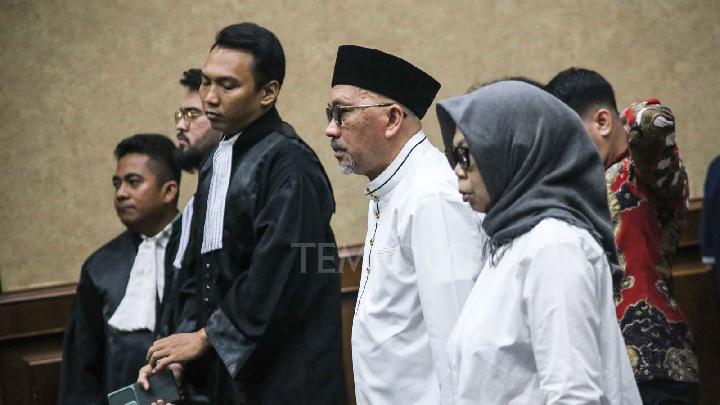
Two days later, on December 24, 2025, 13 law students contested Article 256, which governs demonstrations, claiming it could impose undue restrictions on freedom of expression and potentially cause constitutional harm.
Other contested provisions include Article 302 on incitement to abandon religion, Article 281 on defamation of the president and vice president, Article 218 on adultery, Article 100 on the death penalty, Articles 240 and 241 on defamation of government or state institutions, and Articles 603 and 604 regulating corruption offenses.
The challenges reflect ongoing public debate over the KUHP and its impact on citizens’ rights and freedoms in Indonesia.
Dede Leni Mardianti contributed to the writing of this article.
Read: Venezuela's Interim President Urges US Cooperation
Click here to get the latest news updates from Tempo on Google News
Prabowo Ratifies Criminal Sanctions Adjustment Law
3 hari lalu
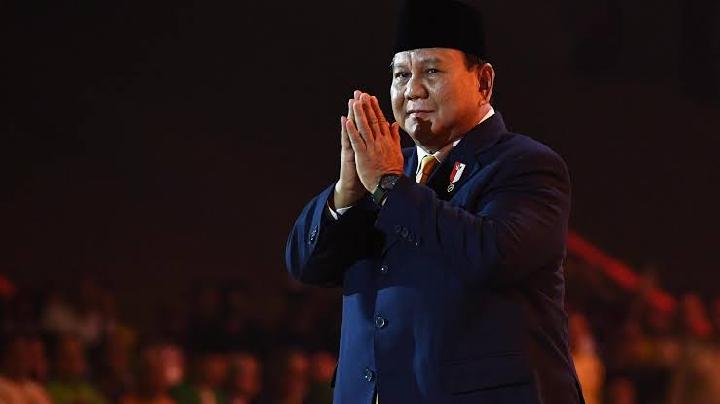
The Law Number 1 of 2026 concerning the Adjustment of Criminal Sanctions was signed and ratified by Prabowo in Jakarta on Friday, January 2, 2026.
New KUHAP Takes Effect Without Implementing Rules
3 hari lalu
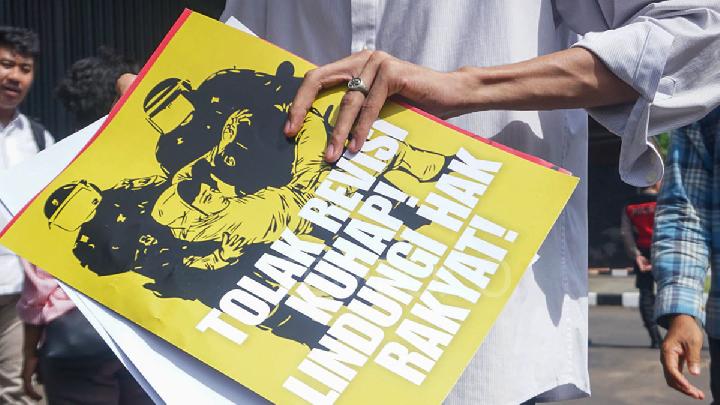
The new Criminal Procedure Code (KUHAP) is officially in effect as of January 2, 2026, but key implementing regulations remain unfinished.
Indonesia's AGO Says It Is Ready to Enforce the New KUHP and KUHAP
3 hari lalu
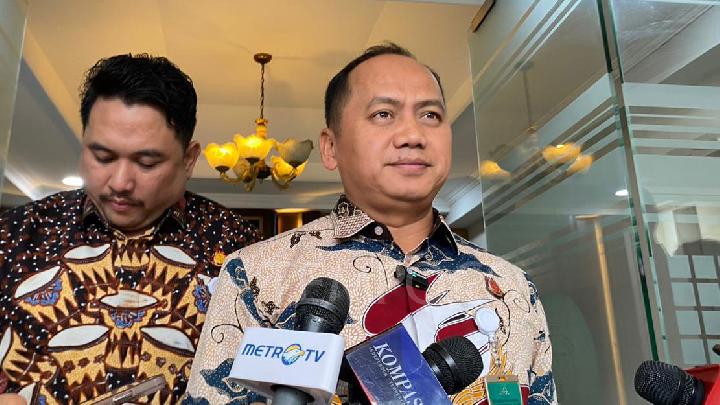
Indonesia began enforcing its new KUHP and KUHAP on January 2, 2026, with the Attorney General's Office saying it is ready to implement the changes.
A Look Back at the Problematic Conception of Indonesia's New Criminal Code
4 hari lalu
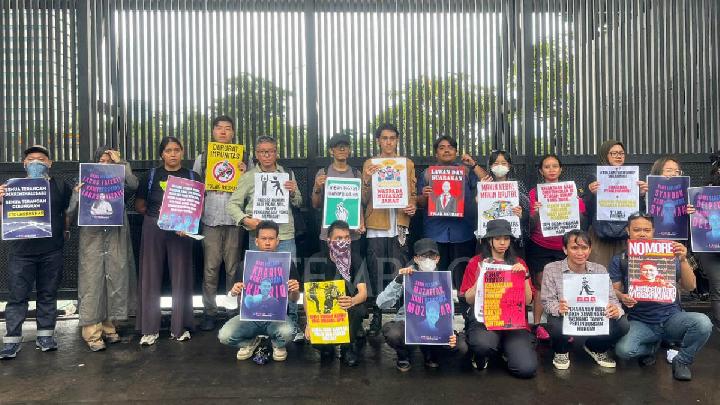
In its development, the Criminal Code and Criminal Procedure Code have been accompanied by various controversies.
Amnesty: New KUHP, KUHAP Ease Criminalization of Government Critics
4 hari lalu
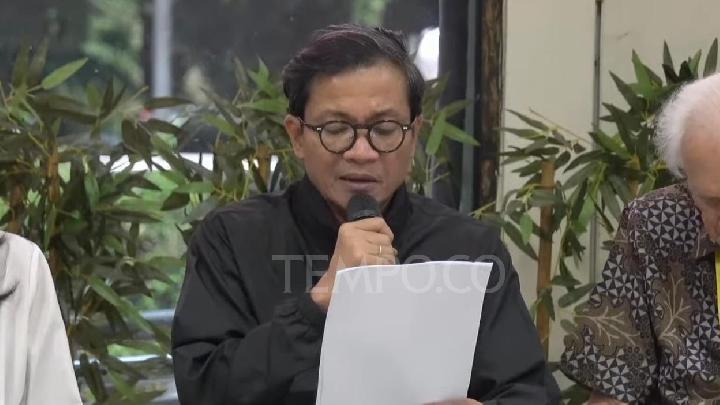
Amnesty International Indonesia sees that the new Criminal Procedure Code (KUHAP) and Penal Code (KUHP) are intended to silence civil society.
Mahfud MD: Criminal Code is Not to Protect Jokowi
15 Desember 2022

Mahfud MD asserted that the revised Criminal Code was not passed by legislators to protect President Jokowi's administration.
Indonesia Responds to UN's Stand on Revised Criminal Code
9 Desember 2022

The Indonesian government responds to the criticism by the United Nations in regard to the country's revised Criminal Code (KUHP).
UN Laments Human Rights Issues in Indonesia's Revised Criminal Code
9 Desember 2022

United Nations (UN) issues a statement lamenting the revised Indonesian legal framework known as the Criminal Code (KUHP).
KAI: People Throwing Stones at Train May Face Life Imprisonment
20 September 2021

KAI said it would take legal action against people who throw stones at operating trains.
Yasonna: Colonial-Inherited Articles of KUHP Neglect Criminal Law Principles
15 Juni 2021

Minister Yasonna Laoly said the criminal code (KUHP) which is the heritage from the Dutch colonial era deviated from the principle of criminal law.