April 14, 2026 | 09:18 pm

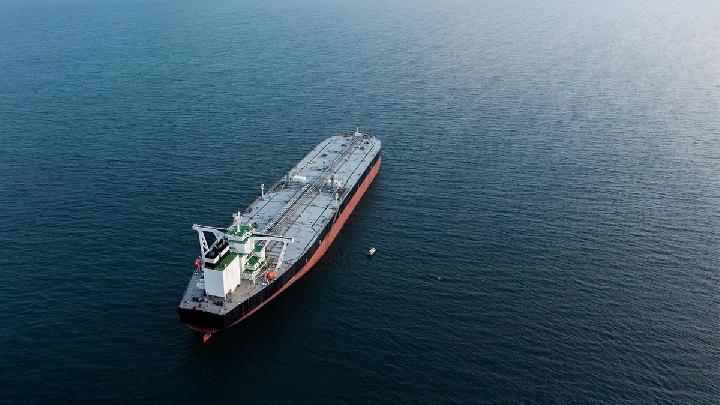
TEMPO.CO, Jakarta - The United Nations' Food and Agriculture Organization (FAO) has warned that prolonged disruptions in the Strait of Hormuz could trigger a global food crisis. FAO attributes this risk to the continued blockage of crucial agricultural shipping routes in the major waterway due to the US-Israeli war against Iran since February 28.
The existing food stocks have managed to absorb the shock, preventing a rise in food prices, according to the chief economist of the UN agency, Maximo Torero, in an interview on Monday, alongside David Laborde, director of the FAO's agrifood economics division, as reported by Al Jazeera.
However, if the traffic through the straits does not return to normal, the impact on the energy and fertilizer markets will lead to commodity price hikes and retail prices by the end of this year and into 2027, Laborde added.
FAO states that 20 to 45 percent of key agribusiness inputs rely on maritime routes through the Strait of Hormuz.
"We are in an input crisis; we don’t want to make it a catastrophe. The difference depends on the actions we take," Laborde said.
"Right now, we don’t have a food crisis because we have food availability," Torero added, noting that the rise in gas and oil prices has not yet impacted the cost of bread and wheat, for example, thanks to abundant supplies from a good harvest season. "But this is now," the economist added.
Almost half of the urea traded globally, the most widely used fertilizer, and a significant amount of other fertilizers are exported from Gulf countries through the Strait of Hormuz. As a result, global agriculture is highly vulnerable to any disruption there.
The recent disruptions to gas supplies and shipments have forced fertilizer plants, which use natural gas to produce fertilizers, in the Gulf and its vicinity to shut down or reduce their production.
If the traffic continues to be halted at the congestion point, farmers will be forced to produce with less fertilizer or increase the cost of their products, Torero stated.
"This is why it’s so essential that the ceasefire continue and is so essential that it is not just a ceasefire, but also that vessels start moving," he said. "The clock is ticking."
Torero added that the poorest countries are the most vulnerable. The delay in the planting calendar means that a delay in access to key inputs can quickly lead to reduced production, higher inflation, and slower global growth.
Iran has nearly halted all traffic through the strait in response to the US and Israel's war against Tehran on February 28. This attack resulted in the death of Supreme Leader Ayatollah Ali Khamenei and over 1,400 other Iranian citizens.
This move has triggered a global energy crisis, at times causing oil and gas prices to double compared to pre-war levels.
Over the weekend, representatives from Iran and the US held a 21-hour marathon negotiation to reach a permanent ceasefire agreement, but failed to make a breakthrough.
Subsequently, US President Donald Trump decided to impose a naval blockade in the Strait. He stated that the navy would hunt down and intercept ships in international waters that had paid Iran fees to pass through the strait.
Later, the US military announced that it would block all maritime traffic entering and exiting Iranian ports, including those in the Persian Gulf and the Gulf of Oman.
Read: France and UK to Host Hormuz Talks on Friday
Click here to get the latest news updates from Tempo on Google News
FAO Reports 2.4% Increase in Global Food Prices Amid Rising Energy Costs
11 hari lalu
The food price increase was driven by soaring energy costs resulting from the ongoing conflict in the Middle East.
Indonesia, FAO Expand Global Cooperation on Sustainable Livestock
17 hari lalu
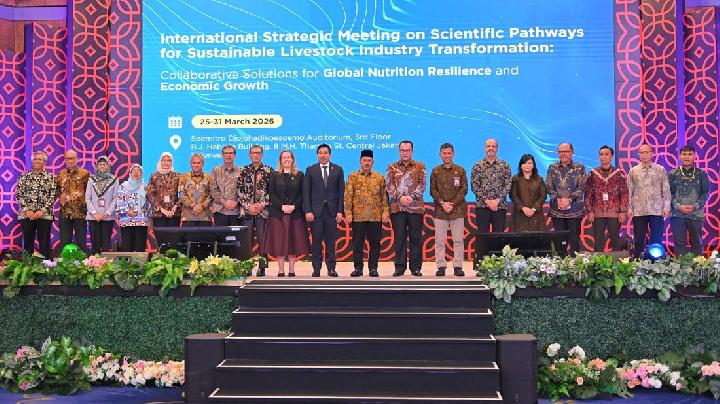
Indonesia's BRIN partners with FAO to advance science-based pathways for sustainable transformation of livestock systems.
Indonesia, FAO Launches $4.4mn Project to Combat Invasive Species
33 hari lalu

Invasive species that are introduced into non-native environments threaten ecosystems, wildlife, and human well-being.
Global Food Crisis Affects 637 Million People Annually, FAO Says
48 hari lalu

The global food crisis is a complex challenge that demands cross-disciplinary collaboration.
FAO, Indonesia Promote Youth-Led Agripreneurship at Farmers' Regeneration Summit
22 Desember 2025
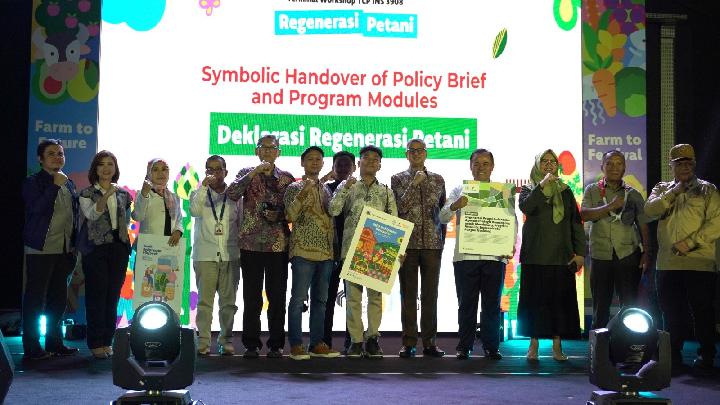
FAO and Ministry of Youth and Sports unveil learning modules and policy brief to strengthen youth participation in modern farming and food systems.
Indonesia's BPS, FAO Boost Data to Cut Food Loss by 2030
15 Desember 2025
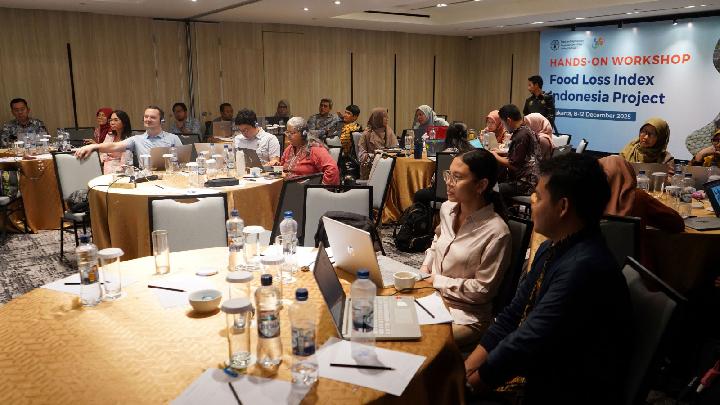
Statistics Indonesia (BPS) and the Food and Agriculture Organization (FAO) concluded a four-day workshop on food loss in Jakarta on December 12, 2025.
Indonesia Calls for Innovative Agrifood Solutions with Youth Innovation Challenge 2025
10 November 2025
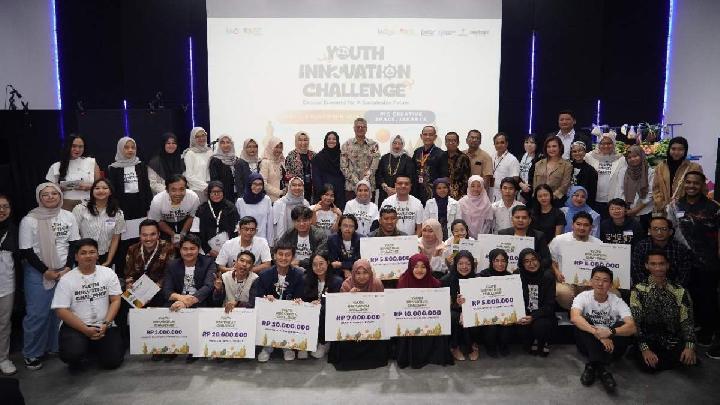
Young innovators from across Indonesia gathered at the Youth Innovation Challenge 2025 in Jakarta, November 8.
FAO: Global Deforestation Slows Down, Forests Still Threatened
22 Oktober 2025

With the current deforestation rate, which is about 10.9 million hectares per year, is still considered high.
Indonesia and FAO Boost Youth Agripreneurship Through 'Cool Agripreneur' Training
14 Oktober 2025
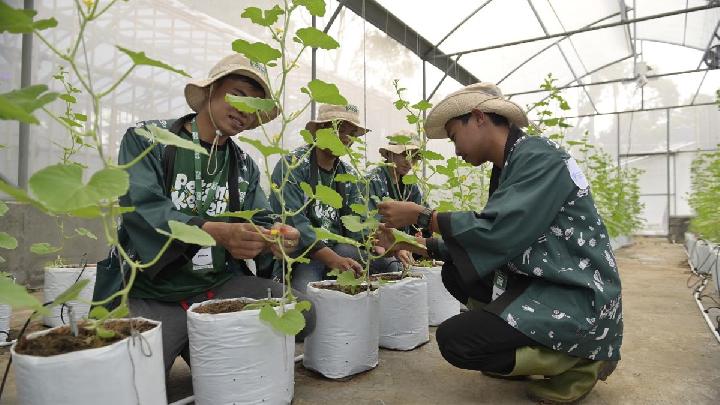
The 'Cool Agripreneur' program by Indonesia and FAO trains the younger generation in sustainable, modern farming.
Indonesia Promotes Its Agrobiodiversity at FAO's Global Exhibition in Rome
13 Oktober 2025

Indonesia showcases its rich variety of local foods at the global exhibition 'From Seeds to Foods', hosted by FAO in Rome, Italy, on October 10-13.