December 22, 2025 | 08:36 pm

TEMPO.CO, Jakarta - Microplastics have long been a pressing environmental issue worldwide. Plastic particles smaller than five millimeters are now present in almost every marine ecosystem, from coastal waters to the open sea.
Despite a growing number of scientific studies, one major challenge persists: how to compare microplastic data fairly across countries.
Indonesia’s National Research and Innovation Agency (BRIN) aims to address this gap through its participation in the Nuclear Technology for Controlling Plastic Pollution (NUTEC Plastics) program, initiated by the International Atomic Energy Agency (IAEA).
The program brings together over 100 countries for global, protocol-based monitoring of marine microplastics.
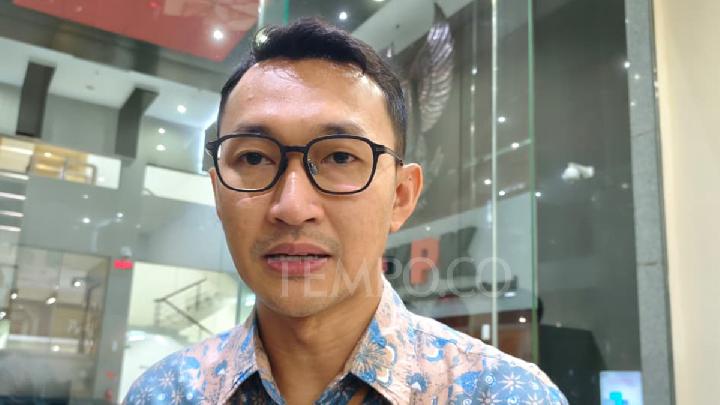
Ali Arman, Senior Expert Researcher at BRIN’s Center for Radiation Process Technology Research, explained that Indonesia’s involvement is part of an international mandate, rather than a domestic project.
“This activity emerged as a mandate from the IAEA. Previously, we did not have a marine microplastic monitoring program with such a protocol,” Ali said in a written statement on Monday, December 22, 2025.
Within NUTEC, Indonesia participates in two key projects:
Asia-Pacific Regional Project (RAS 7038) – focusing on monitoring microplastics in the marine environment.
Global Project (INT 7021) – building a global coastal microplastic database.
While NUTEC is closely associated with nuclear technology, the initial phase of monitoring does not use nuclear techniques. Instead, it emphasizes uniform sampling and analysis methods so data can be compared across regions and countries.
Ali highlighted that, until now, microplastic research in Indonesia used diverse methodologies, making cross-country comparisons difficult.
The IAEA established standardized protocols, including sample collection from beaches and seawater, as well as polymer analysis using non-nuclear instruments like ATR-FTIR (Attenuated Total Reflectance-Fourier Transform Infrared).
Indonesia began sampling in 2024 at locations including Lampung’s coastal areas, industrial zones, tourist areas, and regions with varied human activity. Data is uploaded to the IAEA’s global IRIS platform, which will be publicly accessible.
Nuclear Technology Traces Pollution Over Time
Phase II of the NUTEC program (2026-2029) will introduce nuclear techniques to trace the historical accumulation of microplastics. BRIN will utilize methods such as lead-210 (Pb-210) radioisotope dating to reconstruct pollution history in sediments up to 150 years old.
“By analyzing sediment layers sequentially, researchers can determine when microplastics began to accumulate and how trends have changed over time,” Ali explained. Nuclear technology thus adds a critical temporal dimension to understanding marine plastic pollution.
BRIN also plans to collaborate with universities, including Universitas Indonesia (UI) and Institut Pertanian Bogor (IPB), particularly for analyzing microplastics in sediments and marine life.
The research aims to strengthen Indonesia’s contribution to the global database and inform national policies for controlling marine plastic pollution.
Tracking Microplastics in Marine Life
BRIN is also studying the impact of microplastics on marine biota and potential human exposure. Heny Suseno, Senior Expert Researcher at BRIN’s Center for Radioisotope Technology Research, explained that microplastics can enter the food chain (from plankton to fish) and eventually reach humans through seafood consumption.
Heny’s team has developed a nuclear approach by labeling microplastics with iodine-131 (I-131). Labeled microplastics are introduced into seawater with living organisms, such as milkfish or clams. Using a gamma spectrometer, researchers can monitor the movement and accumulation of microplastics in living biota without harming the animals.
“This method allows continuous observation and measurement, enabling us to calculate bioaccumulation factors and biological residence times,” Heny said.
Nuclear technology also allows mapping of microplastics in specific organs, such as gills, offering detailed insights into interactions between plastics and biological systems. With this data, researchers can better estimate human exposure to microplastics based on seafood consumption patterns.
Read: Why Are Foldable Phones Still Struggling to Go Mainstream in 2026?
Click here to get the latest news updates from Tempo on Google News
From Tea Bags to Table Lamps: Surabaya Student Innovates Eco-Friendly Home Dcor
12 hari lalu
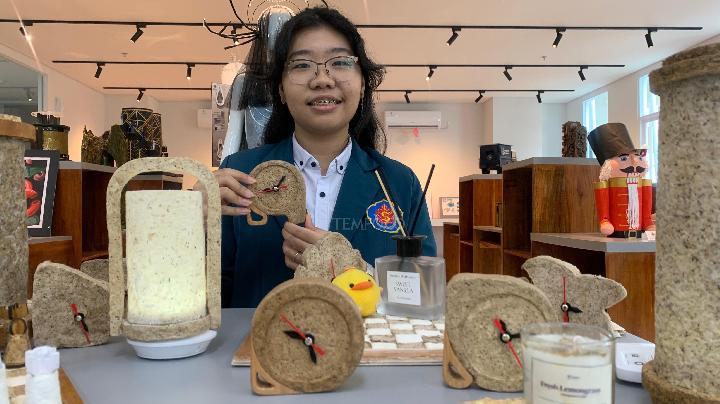
Jeanne Theresia Mintarja, a student at the University of Surabaya, creates home decorations from used tea bags in response to the concerns about microplastic content in tea bags.
Ecoton: Microplastics Contaminating Water Sources in Malang, Indonesia
46 hari lalu
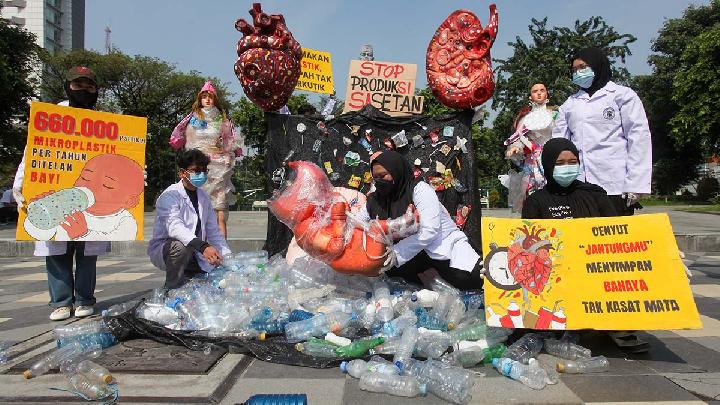
The result of study by Ecoton shows that 11 water samples in Malang, Indonesia, were contaminated with microplastics.
Australia Invests Rp13 Billion to Help Reduce Indonesia's Plastic Waste
54 hari lalu
Australia, through the IPPIN program, has allocated approximately Rp13 billion for innovative plastic waste reduction in Indonesia.
Jakarta to Operate Rorotan RDF Facility to Combat Microplastic Pollution
59 hari lalu
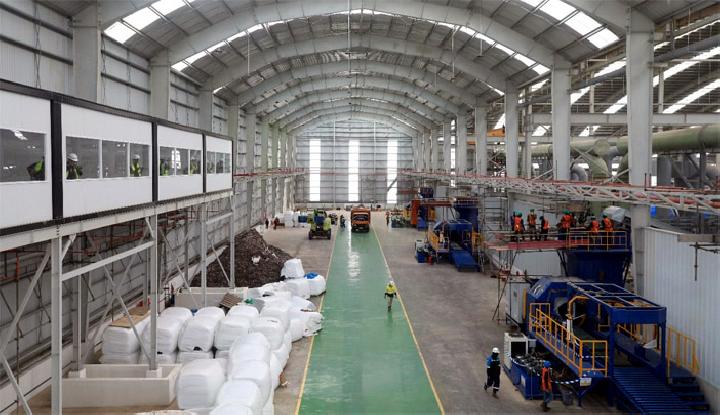
The RDF Rorotan waste processing facility in North Jakarta, which is expected to operate fully in November 2025, is believed to contribute to the reduction of microplastic pollution.
Today's Top 3 News: Union Calls on Prabowo to Issue Regulation Protecting Online Ojek Drivers
22 Oktober 2025

Here is the list of the top 3 news on Tempo English today.
Today's Top 3 News: Jakarta Responds to Microplastics Found in Rainwater
21 Oktober 2025

Here is the list of the top 3 news on Tempo English today.
Microplastics Detected in Rainwater Worldwide, Not Only in Jakarta
21 Oktober 2025
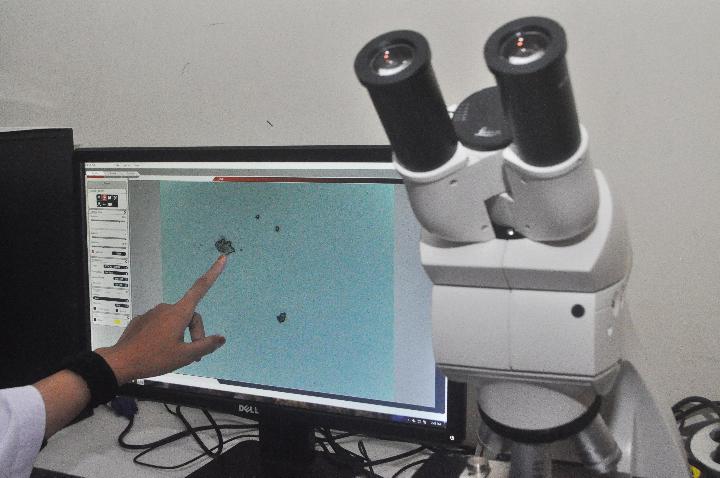
A study in China this year indicated that the concentration of microplastics was markedly higher in snow than in rainwater.
Today's Top 3 News: B50 Biodiesel Implementation in Indonesia Could Erode Palm Oil Competitiveness
20 Oktober 2025

Here is the list of the top 3 news on Tempo English today.
Jakarta Responds to Microplastics Found in Rainwater
19 Oktober 2025
The Jakarta Environmental Agency stressed that the discovery of microplastics in the city's rainwater serves as an environmental alarm.
Jakarta Rain Found Contaminated with Microplastics, BRIN Study Shows
17 Oktober 2025

Microplastic pollution not only contaminates land and sea, but also the atmosphere. BRIN found an average of 15 microplastic particles in rainwater samples.