TEMPO.CO, Jakarta - Iran is demanding compensation from five Arab countries, including Saudi Arabia, the United Arab Emirates (UAE), Bahrain, Qatar, and Jordan. As reported by Anadolu, Tehran accuses them of participating in the United States-Israeli attacks against Iran since February 28.
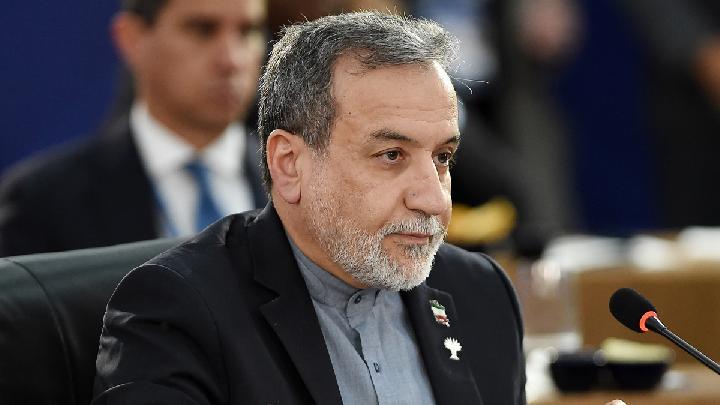
In a letter addressed to UN Secretary-General Antonio Guterres and President of the UN Security Council Jamal Fares Alrowaiei on Monday, Iran's envoy to the UN Amir Saeid Iravani claimed that these countries "breached their international obligations" by allegedly enabling US-Israel attacks on Iran.
Therefore, they must be held accountable and compensate for the losses suffered during the war, he said.
According to ET report, the letter, under the current circumstances, these countries "cannot legitimately invoke Article 51 of the UN Charter (the right to self-defense) against Iran because they facilitated the US-Israeli aggression."
Tehran asserts that they are "the victim of aggression" and are exercising their right to self-defense, stated the envoy in the letter.
According to the letter, in some cases, "unlawful armed attacks against civilian targets inside Iran have been carried out directly by those states."
One piece of evidence is a video confirmed by France 24. The French news agency has verified and geolocated several videos showing that, at least on two occasions, on March 24 and 31, US missiles were launched from HIMARS launchers in Kuwait into Iran.
Iran's mission calls on these five countries to immediately stop "internationally wrongful acts" by allowing their territories to be used for attacks and, in some cases, directly participating in such actions, as reported by Press TV.
Furthermore, the mission argues that these actions constitute a violation of international obligations, involving responsibility of these countries under international law.
Iravani reiterates that these countries must provide "full reparation to the Islamic Republic of Iran, including compensation for all material and moral damage sustained as a result of their internationally wrongful acts."
Regional hostilities escalated after the US and Israel launched joint attacks on Iran on February 28, resulting in the deaths and injuries of thousands of people.
Tehran retaliated against Israel, Iraq, Jordan, and Gulf states hosting US military assets before a two-week ceasefire was announced last week.
Iran and the US delegations concluded talks for 21 hours in Islamabad, Pakistan, on Sunday morning without reaching an agreement.
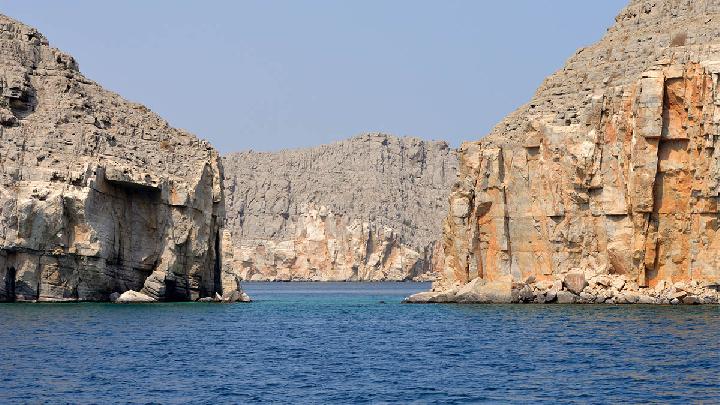
Condemning the US Blockade in the Hormuz Strait
In the letter sent on Monday, Iravani also denounced Washington's move as an "illegal act of aggression" threatening regional and international peace and security.
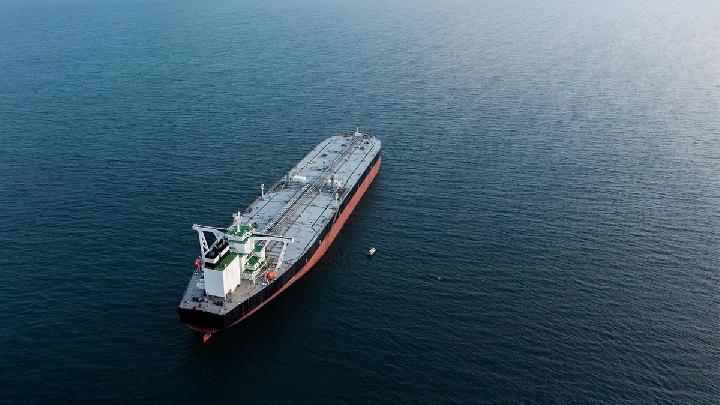
"The imposition of a naval blockade is a gross violation of the sovereignty and territorial integrity of the Islamic Republic of Iran," wrote Iravani, adding that the action was publicly announced by the US Central Command (CENTCOM) on April 12.
He said the US action violates Article 2, paragraph 4 of the UN Charter, which prohibits the threat or use of force, and is a "a textbook example of aggression under international law."
The ambassador added that the illegal blockade also seriously violates basic principles of international maritime law.
"By attempting to prevent maritime traffic to and from Iranian ports, the United States is illegally interfering in the exercise of the sovereign rights of the Islamic Republic of Iran and violating the rights of third states and legitimate maritime trade in accordance with international law," the letter stated.
Iravani stressed that Iran "firmly and in the strongest possible terms rejects and condemns the illegal action of the United States," stating that Tehran has the right to take "all necessary and proportionate measures to protect its sovereignty, territorial integrity and national interests."
He further warned that the United States "bears full responsibility for this internationally wrongful act and all its consequences, including its effects on regional and international peace and security."
Calling for urgent international intervention, Iran's envoy urged the UN Security Council to condemn the blockade and take steps to stop escalation, stating that the situation poses a serious threat to the already troubled region.
Read: Trump: Iran Talks Could Resume in Two Days
Click here to get the latest news updates from Tempo on Google News