December 24, 2025 | 10:02 am
TEMPO.CO, Jakarta - Natural disasters caused by the climate crisis cannot entirely be prevented. Stop policies that worsen the destruction.
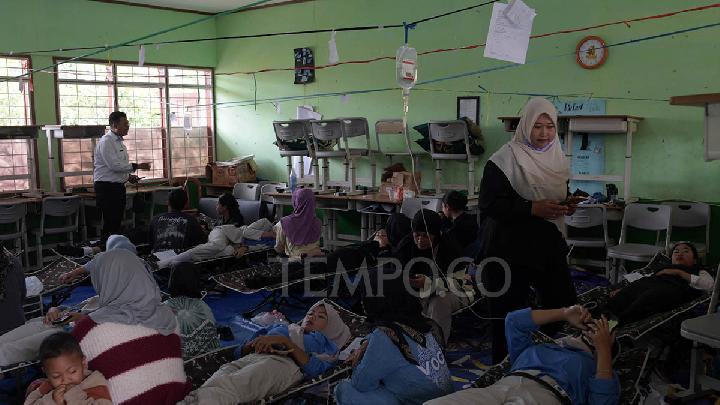
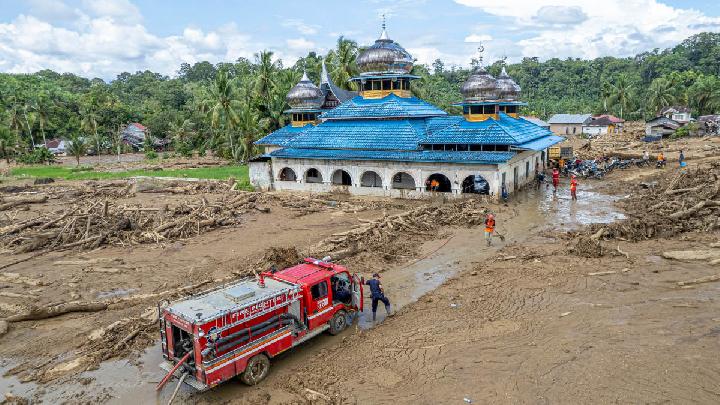
THOSE who are in power find it all too easy to conclude that the natural disasters striking the country are caused solely by extreme natural phenomena. The disaster in Sumatra, for instance, has been narrowed down in explanation as merely the impact of Tropical Cyclone Senyar. This perspective is dangerous because it turns a blind eye to the true cause of the problem.
Tropical Cyclone Senyar is itself a climate anomaly. A tropical storm of this nature is only possible when sea surface temperatures in the Malacca Strait rise significantly. Similar warming is occurring in the Indian Ocean, stretching from the waters west of Sumatra to the southern seas of Java and Nusa Tenggara. A warming ocean is no mere coincidence, but a tangible sign of the climate crisis.
The major cause of all this is human behavior. The use of fossil fuels for electricity generation, transportation, and industry has produced greenhouse gases that retain heat in the atmosphere. More than 90 percent of the heat is absorbed by forests—making them the last buffer protecting the land from worse suffering. The consequences are increasing sea temperatures, melting glaciers, rising sea levels, and increasingly common extreme weather.
Scientists who compiled the 2023 Climate Change Synthesis Assessment reported a global average sea-level rise of 20 centimeters between 1901 and 2018, with the fastest rate occurring at 3.7 millimeters per year from 2006 to 2018. These figures explain why rob or tidal flooding has become a routine threat rather than a rare occurrence.
Given that maritime areas comprise most of the area of Indonesia, the danger of tidal flooding or rising tides is imminent. In North Jakarta, for example, tidal floods reached 40 centimeters earlier this month, encroaching onto Jalan R.E. Martadinata, in front of the Jakarta International Stadium. In Timbulsloko village, Demak Regency, Central Java, tidal flooding reached 1.5 meters and spilled over to the south side of the north Java highway.
It is simply not possible to prevent all disasters caused by the climate crisis. This understanding led to the 30th United Nations Climate Change Conference (COP30) in Belem, Brazil, shifted focus from mere mitigation to climate crisis adaptation. Unfortunately, the realization of US$120 billion in annual climate adaptation funding from developed nations to vulnerable countries has been delayed from 2030 to 2035.
Without global financial support, vulnerable nations like Indonesia must adapt using their own resources. The government has indeed drafted the 2026-2030 National Adaptation Plan. However, this document remains a mere pile of activity lists rather than a concrete plan to reduce vulnerability levels. Furthermore, there is no sign of a clear paradigm shift, from development in defiance of nature in opposition to living with constantly changing nature.
What is occurring is exactly the opposite: climate crisis maladaptation. The 29.95-kilometer Semarang-Demak Seawall Toll Road project, for instance, is claimed to be a solution for coastal tidal flooding. Yet, for the sake of that project, 46 hectares of mangrove forests were razed. The coastal ecosystem has been damaged, and its natural protection has disappeared. Residents of Timbulsloko report that tidal floods have actually risen half a meter higher since the project began construction.
Policy makers should realize that bogus adaptation that ignores the logic of nature will merely relocate the disaster risks rather than reducing them. One way to live in harmony with the climate crisis is to halt policies that further exacerbate environmental destruction.
2025 Set for Second-Hottest Year on Record
14 hari lalu
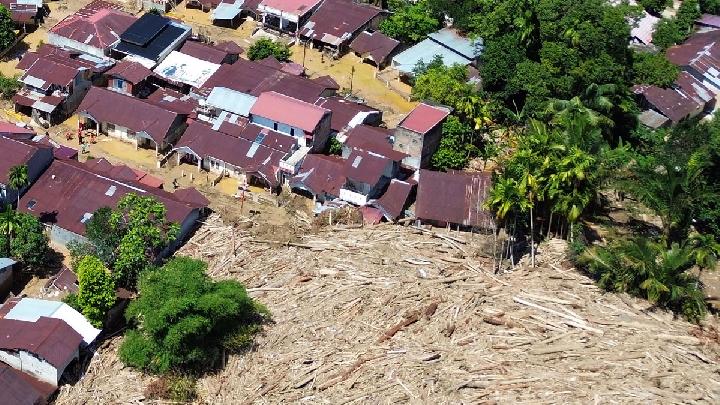
This year is expected to match 2023 as one of the warmest on record, second only to 2024, EU scientists warn.
Africa's Forests Shift from Carbon Sinks to Emission Sources, Says Study
23 hari lalu

A recent study has revealed how the forests in Africa have now transformed into a source of carbon emissions.
COP30 Puts a Just Clean Energy Transition Center Stage; Is Indonesia Being Contradictory?
42 hari lalu
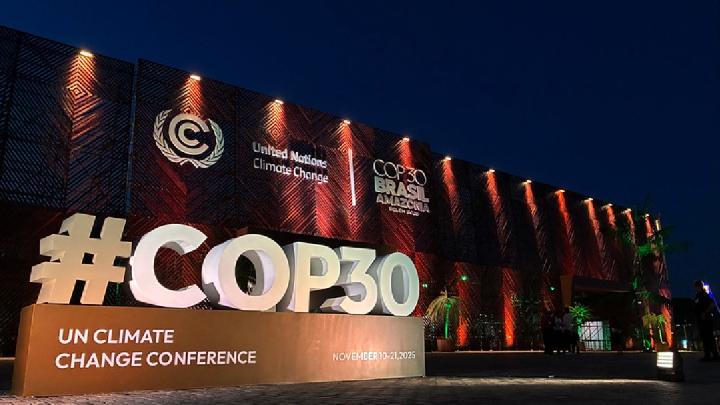
There is no more reason for many countries in the world to delay their commitment to the Paris Agreement by transitioning to clean energy.
Scientists Urge World Leaders to Curb Biofuel Growth Ahead of Brazil's COP30
48 hari lalu
Over 100 members of the global scientific community have warned the world of the dangers of unrestrained biofuels production.
Indonesia to Participate in 7 Key Talks at COP30, What Are They?
49 hari lalu
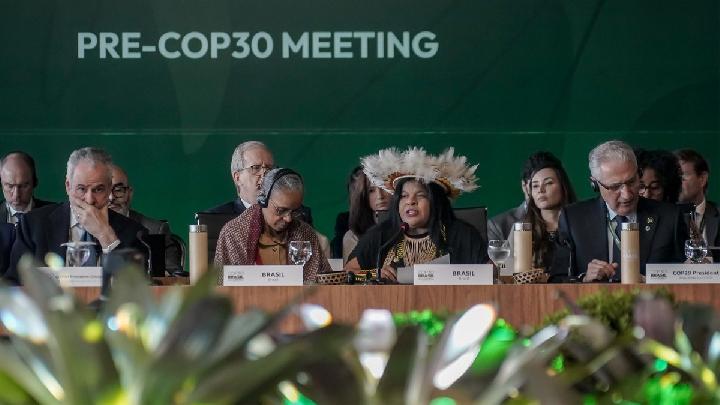
A delegation of 450 people from Indonesia will participate in COP30 in Brazil this month.
The Dark Side of Carbon Trading
53 hari lalu

The Prabowo administration is counting on carbon trading as its climate policy. It opens the door to greenwashing.
The Future Is Still Ours to Shape
8 September 2025

If economic choices continue to make the majority suffer, the existing crisis will only deepen.
Climate Crisis Compels Indonesians to Seek Work Abroad, Says Migrant Workers Union
27 Agustus 2025

SBMI highlights the impact of climate crisis on Indonesian citizens, pushing them to work abroad as migrant laborers due to the deterioration of their livelihoods in the country.
Indonesia's Zagy Berian Represents Southeast Asia as UN Climate Change Youth Adviser
13 Agustus 2025
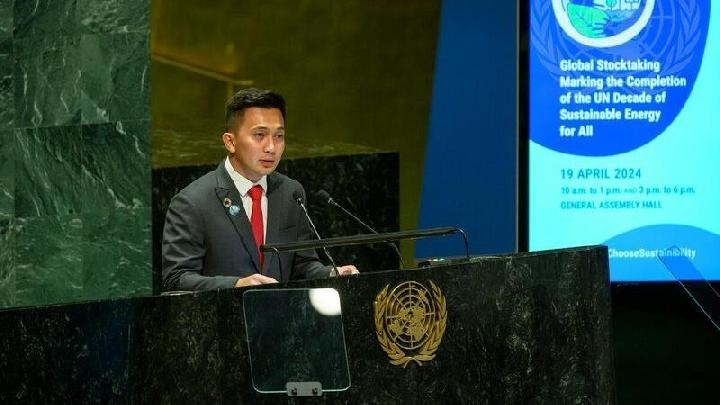
Zagy Berian has been selected as the sole Southeast Asian representative in the third group of the Youth Advisory Group on Climate Change formed by the United Nations Secretary-General.
Rolling Back on Climate Commitments
17 Juli 2025

The government is revising Indonesia's climate commitment document. A weak economy is an opportunity to reduce carbon emissions.